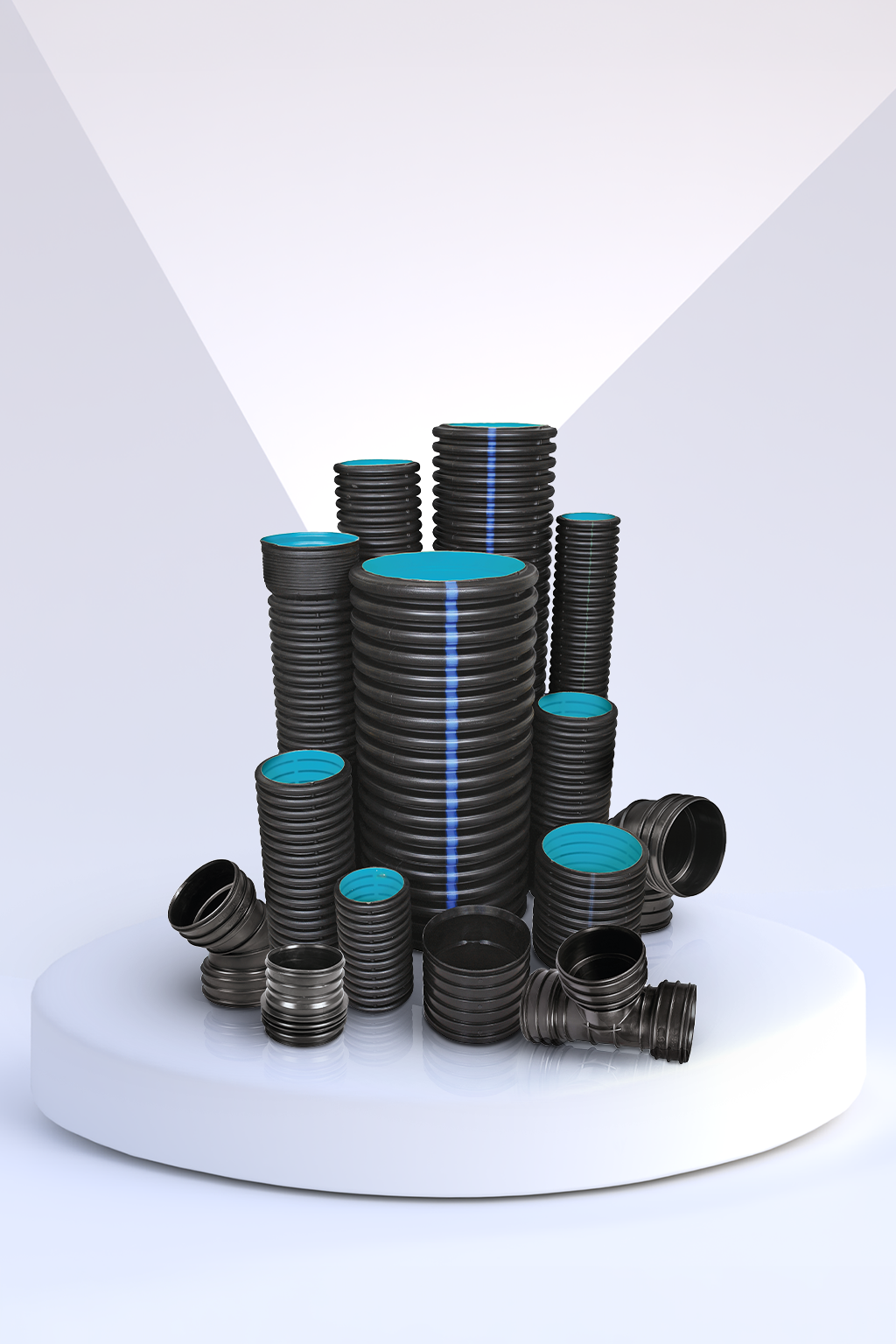

What Are the Advantages of U-PVC Pressure Clean Water Pipes?
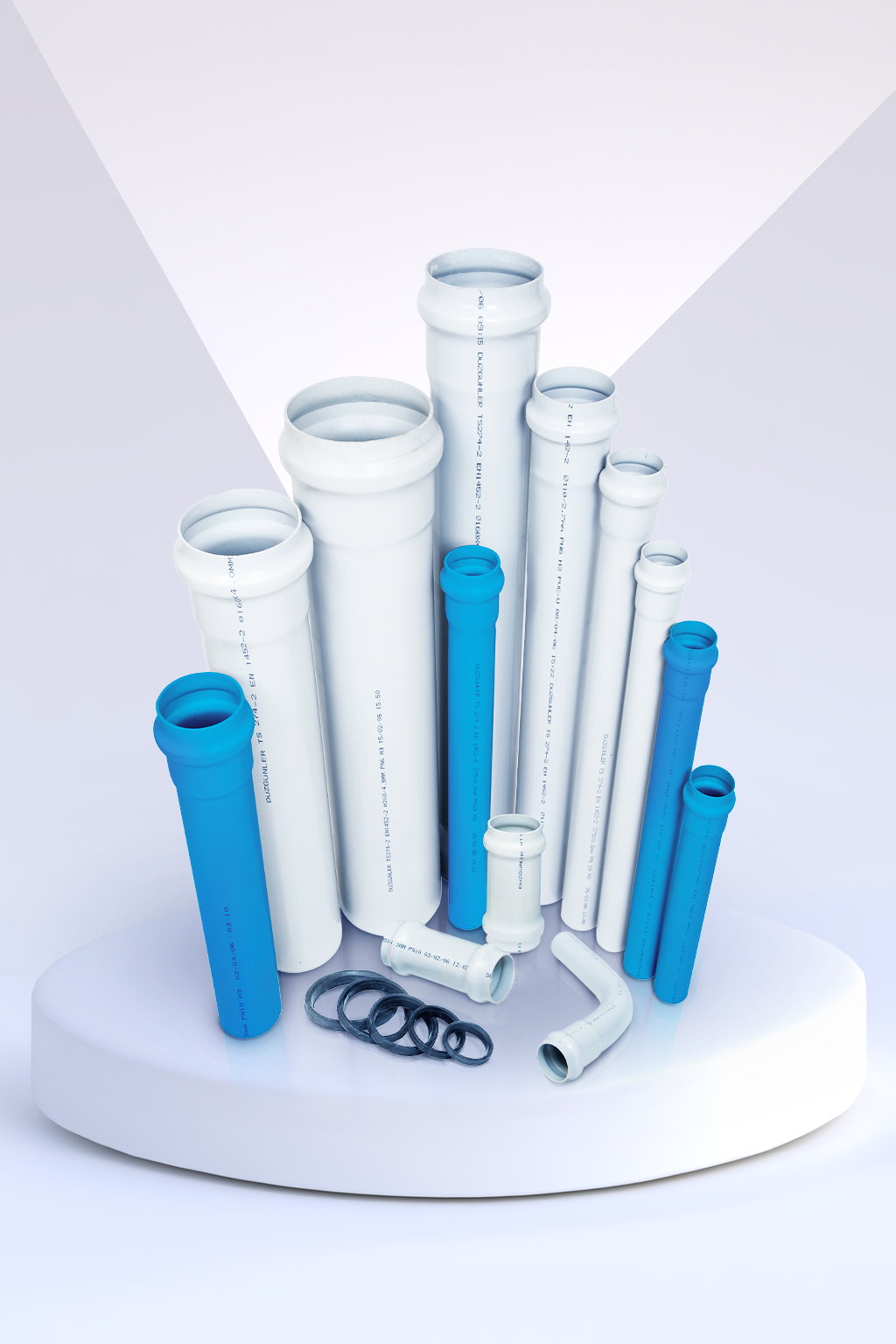
The key advantages of U-PVC pressure clean water pipes are leak-proof joints, full resistance to corrosion and chemicals, a lightweight structure that speeds up installation, and pressure ratings from 4 to 16 Atm. Because U-PVC does not rust, it carries drinking water safely for many years without maintenance.
In this article, the Düzgünler Plastik technical team — manufacturing pipes since 1975 — explains what a U-PVC pressure pipe is, which advantages it offers, and how to choose the right type for your project.
What Is a U-PVC Pressure Clean Water Pipe?
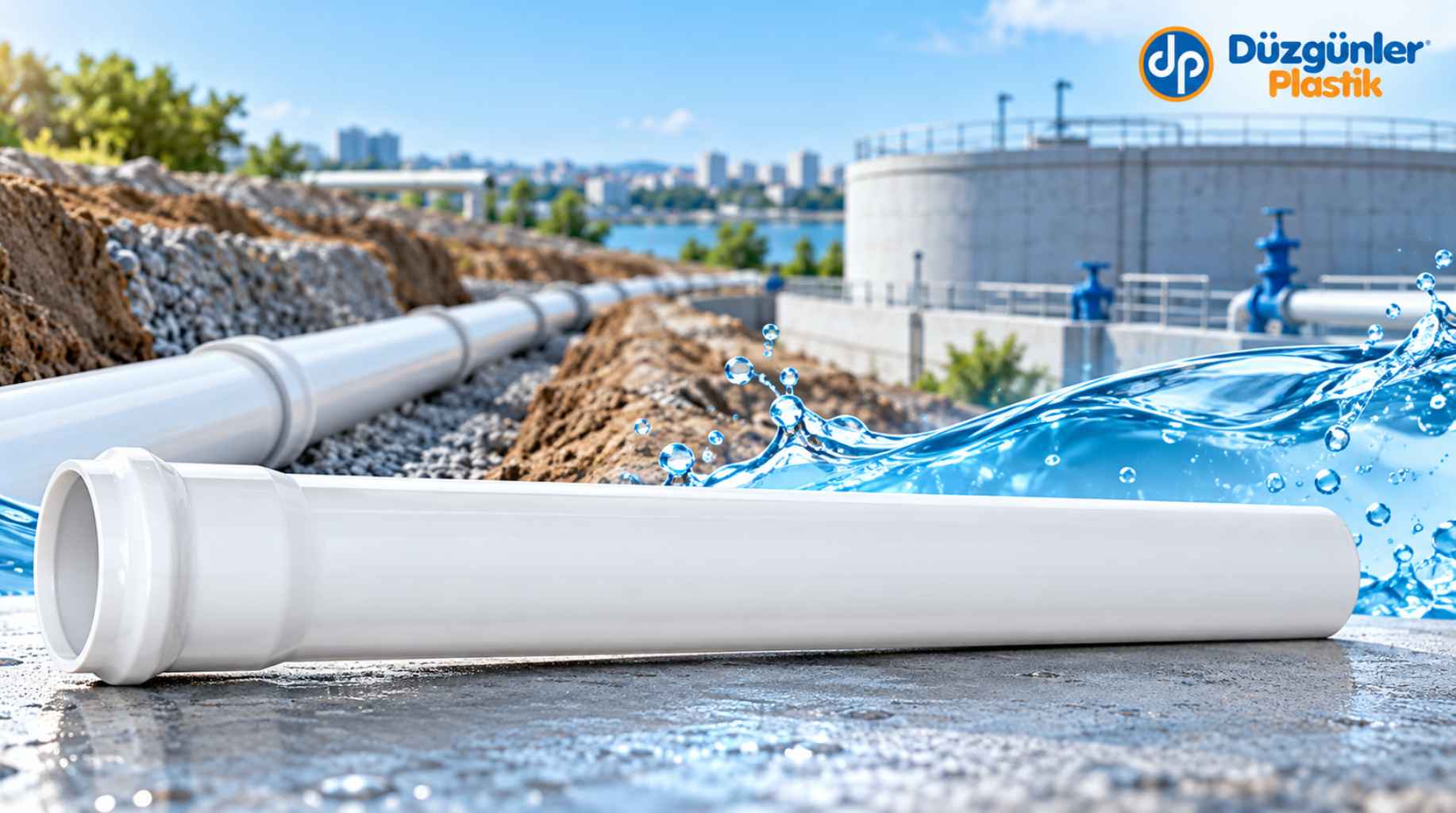
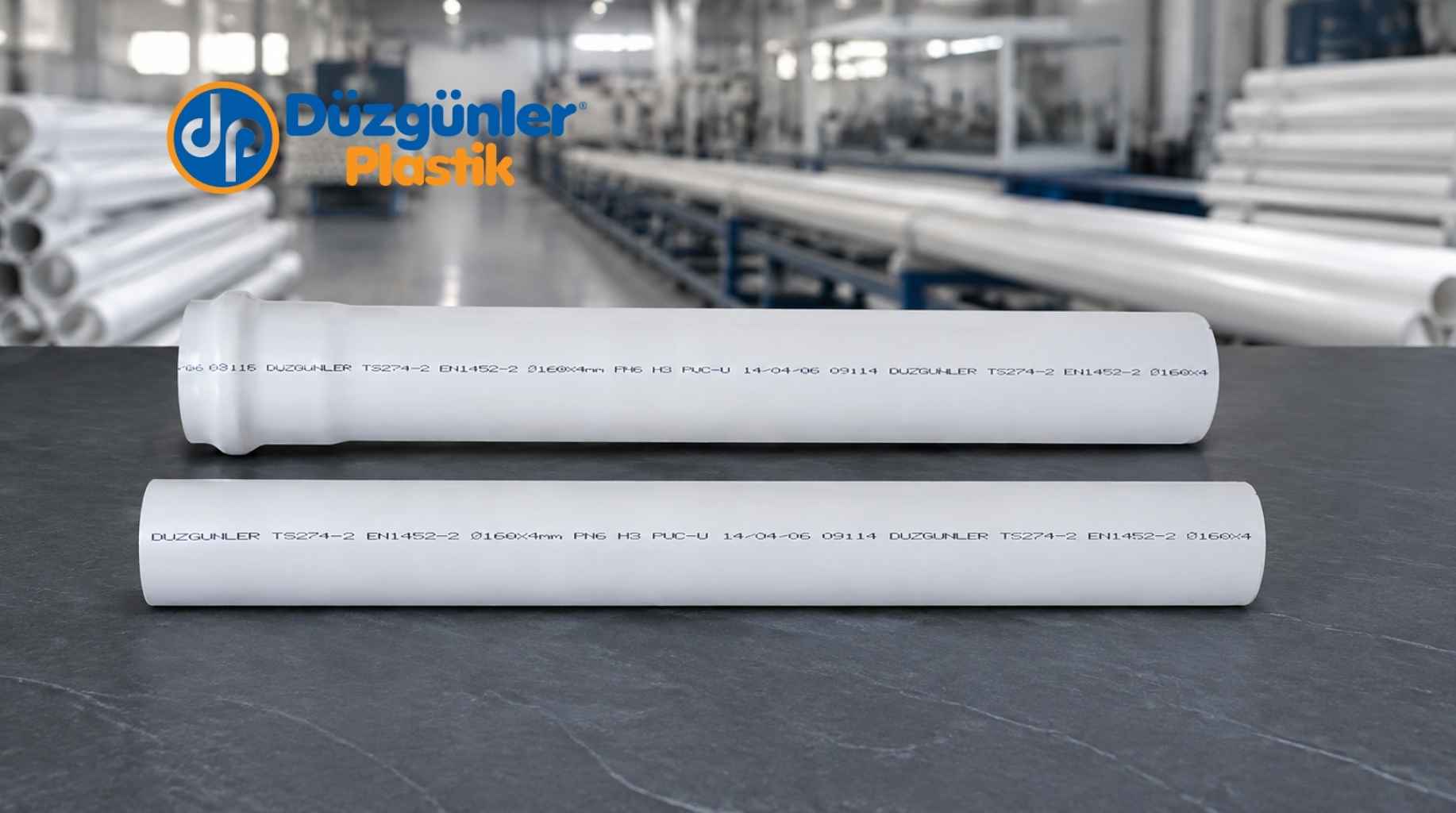
A U-PVC pressure pipe is a rigid plastic pipe produced to carry water under pressure in infrastructure, potable water and industrial lines. The "U" stands for "unplasticized", meaning the material contains no plasticizer additives; this gives the pipe high strength and rigidity.
Which Pressure Classes Are U-PVC Pipes Produced In?
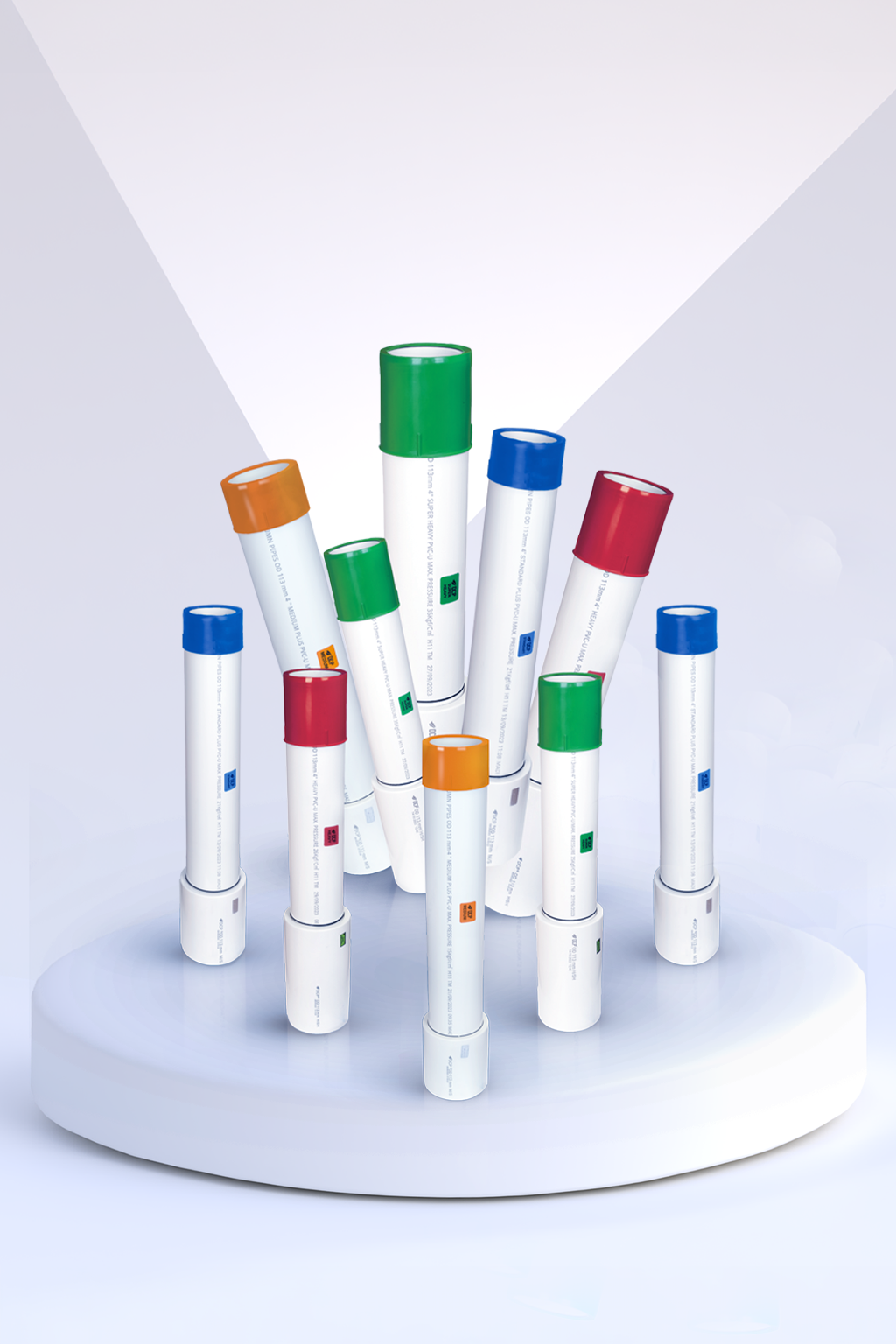
Düzgünler Plastik U-PVC pressure clean water pipes are produced with pressure ratings from 4 to 16 Atm — the range covered by the PN classes commonly used in the market. The right class is selected according to the operating pressure, diameter and ground conditions of the line.
What Advantages Do U-PVC Pressure Pipes Provide?
Short answer: compared with metal and alternative materials, U-PVC pipe is lighter, more economical and completely resistant to corrosion. Let us look at the advantages one by one.
-
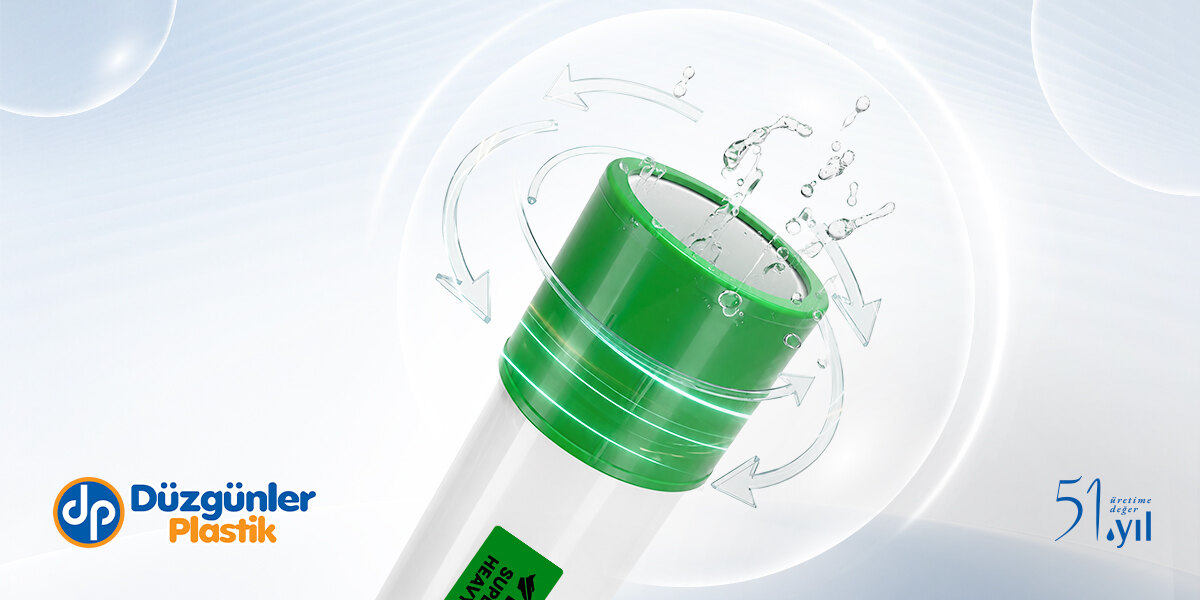
High sealing performance: Push-fit socket and solvent weld socket systems create a leak-proof line even under pressure.
-
Corrosion resistance: U-PVC does not rust or decay and is unaffected by moisture in the ground, so water quality is preserved.
-
Chemical resistance: It withstands acids, bases and salt solutions, making it safe for industrial water lines.
-
UV resistance: Its UV-resistant structure protects the material during outdoor storage and use.
-
Lightweight and easy installation: It is far lighter than metal pipe; handling and laying labor decreases and installation speeds up.
-
Low friction: The smooth inner surface reduces friction losses, helping pumps run more efficiently.
-
Certified production: Production in accordance with TS and ISO quality certificates makes it a safe and economical choice for modern water transmission systems.
U-PVC Pipe vs Metal Pipe: Which One Should You Choose?
U-PVC and galvanized metal pipe are the two options most often compared in clean water projects. Here are the pros and cons of each material.
Pros and Cons of U-PVC Pipe
-
Pro: It never rusts and does not affect the taste or quality of the water.
-
Pro: It is lightweight and requires no welding; installation time and labor cost are low.
-
Con: It is not suitable for very hot fluids; hot water lines require different materials.
Pros and Cons of Metal Pipe
-
Pro: It resists high temperatures and mechanical impact.
-
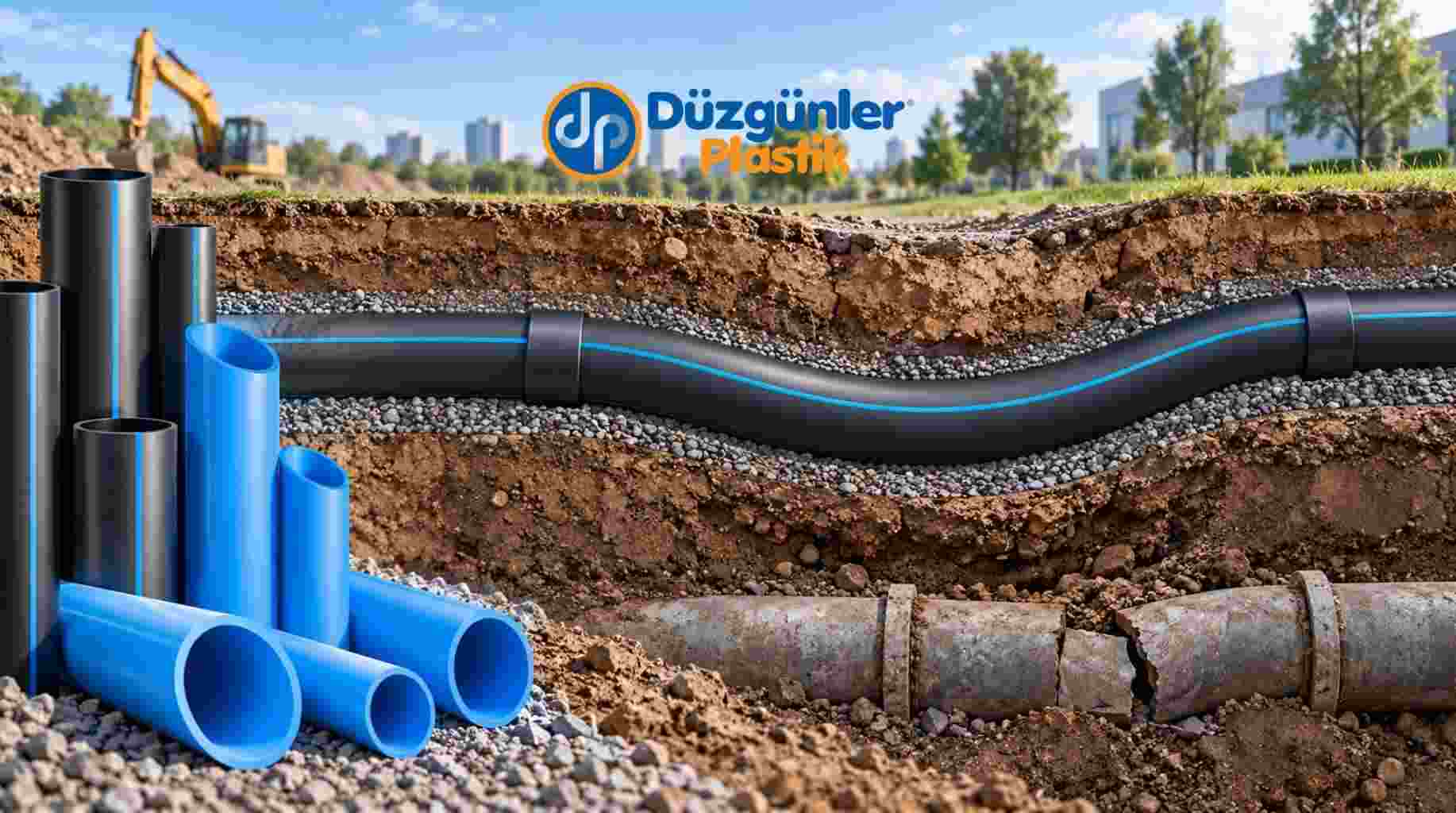
Con: It corrodes over time; rust on the inner surface degrades water quality and flow rate.
-
Con: It is heavy, and welded installation requires additional labor.
Conclusion: for cold clean water and potable water lines, U-PVC pipe outperforms metal pipe in total cost, water quality and installation speed.
|
Insight from the Field Infrastructure contractors agree on one point: the pipe itself is never the only item that determines the total cost of a water line. When laying speed, joint security and long-term maintenance are taken into account, leak-proof socketed U-PVC systems protect both the budget and the schedule of a project. |
Which U-PVC Pipe Type Fits Which Project?
Where Are Push-Fit Socket Clean Water Pipes Preferred?
The gasketed push-fit socket system allows fast, practical installation and is widely preferred in infrastructure and network lines. The joints also provide flexibility against ground movement.
Where Are Solvent Weld Socket Pipes Used?
Joined with solvent cement, this type turns the connection into a permanent, single-piece structure. It is a reliable solution for in-building installations and industrial lines.
What Is a Gooseneck Clean Water Pipe For?
The gooseneck form reduces the need for extra fittings at direction and level changes along the line. Fewer joints mean fewer potential leak points.
Frequently Asked Questions - FAQ
What pressure can U-PVC pipes withstand?
Düzgünler Plastik U-PVC pressure clean water pipes are produced in classes from 4 to 16 Atm. The correct class for your project is determined together with our technical team based on the operating pressure of the line.
Are U-PVC pipes safe for drinking water?
Yes. U-PVC pressure clean water pipes are produced for potable water, infrastructure and industrial projects in accordance with TS and ISO quality certificates. Because the material does not corrode, water quality is preserved for many years.
What determines the price of a U-PVC pressure pipe?
The main factors are pipe diameter, pressure class (wall thickness), socket type and order quantity. Selecting the correct size and class at the design stage prevents unnecessary cost.
Can U-PVC pipes be used underground?
Yes. U-PVC resists moisture and chemicals in the soil, making it suitable for underground clean water lines. Proper bedding and backfilling ensure a long-lasting installation.
How do you choose the right pipe size?
Size selection depends on the required flow rate, the operating pressure and the length of the line. An undersized pipe causes pressure loss, so technical support at the project stage is recommended.
People Also Ask - PAA
What is the difference between U-PVC and PVC pipe?
U-PVC is a rigid type of PVC that contains no plasticizer additives. This structure provides the strength and rigidity required by pressurized water lines, whereas standard flexible PVC is not suitable for pressure applications.
How long does a U-PVC pipe last?
With the correct pressure class and proper installation, U-PVC pipes serve for decades without maintenance. Freedom from corrosion extends their service life well beyond that of metal pipes.
Are U-PVC pipes resistant to chemicals?
Yes. U-PVC resists many chemicals, including acids, bases and salt solutions, which is why it is also trusted in industrial water lines.
How is a pressure clean water pipe installed?
In push-fit socket pipes, the pipe end is pushed into the gasketed socket; in solvent weld pipes, solvent cement creates a permanent bond. Neither method requires welding equipment.
For more information about our products and production processes, please contact us.
For more content, please visit our blog.
|
About the Author This content was prepared by the technical team of Düzgünler Plastik, a pipe manufacturer since 1975 and the first company in Turkey to produce submersible pump U-PVC column pipes. Designing all of its production line machinery through its in-house R&D department, the company manufactures U-PVC pressure clean water pipes, column pipes, deep well pipes and HDPE PE100 pipes in accordance with TS and ISO quality certificates. For detailed information on international standards, visit www.iso.org. |
Similar Blogs