
The Role of U-PVC Deep Well Pipes in Agricultural Irrigation
U-PVC deep well pipes provide the casing and screening structure required to access groundwater safely for agricultural irrigation. Plain casing supports and isolates the borehole, while slotted screens allow groundwater to enter the well in a controlled manner.
A correctly specified PVC well casing can limit sand entry, protect pumping equipment and support reliable well operation. Its diameter, screen opening and depth class must nevertheless be selected from hydrogeological data—not from price or nominal depth alone.
What is a U-PVC deep well pipe and how does it work?
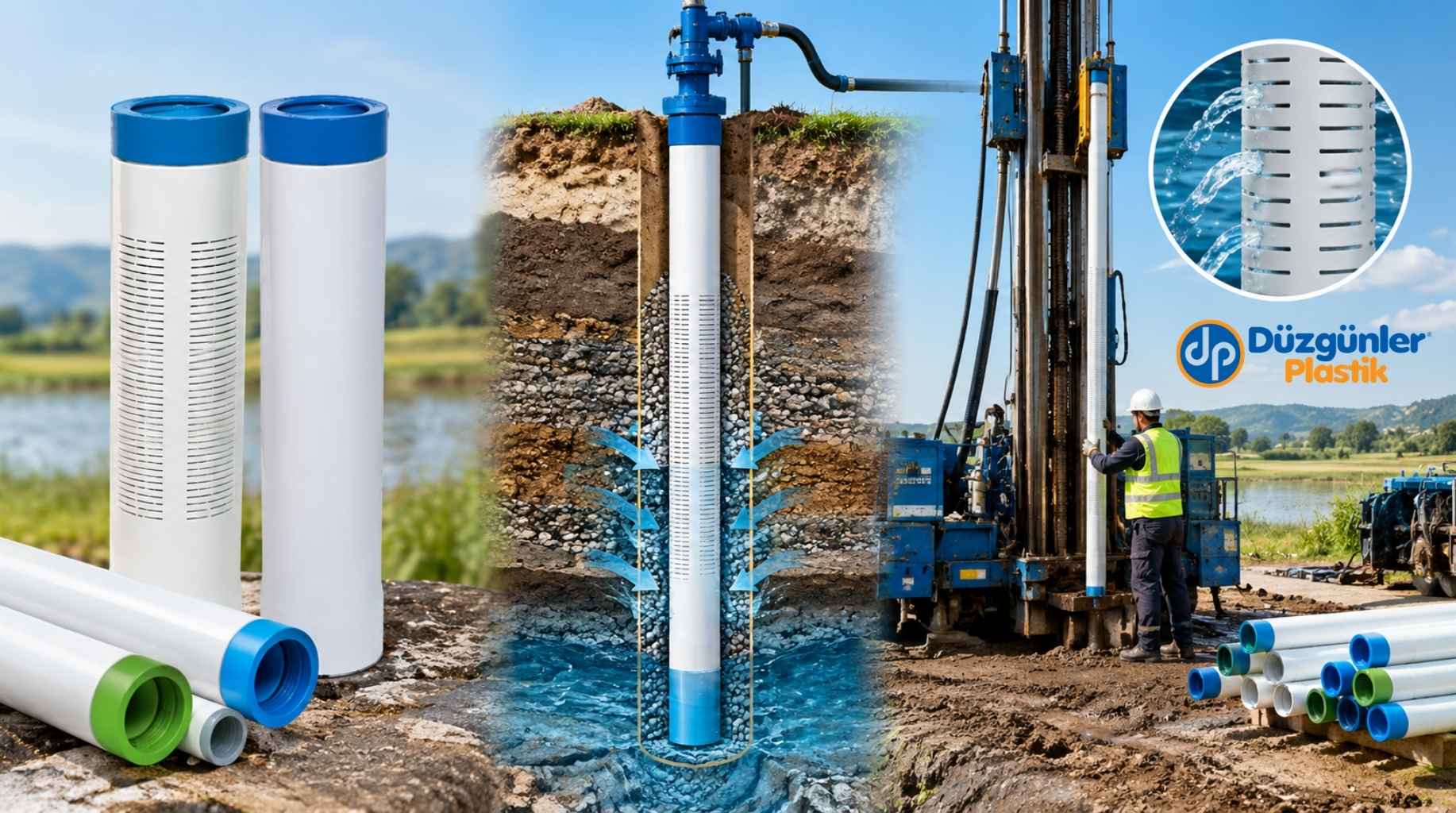
A U-PVC deep well pipe is a rigid, unplasticised PVC component installed inside an irrigation borehole. Unlike the pipework that distributes water across a field, it forms part of the permanent well structure.
A typical borehole uses:
- Plain casing pipe to support the borehole and isolate unsuitable layers
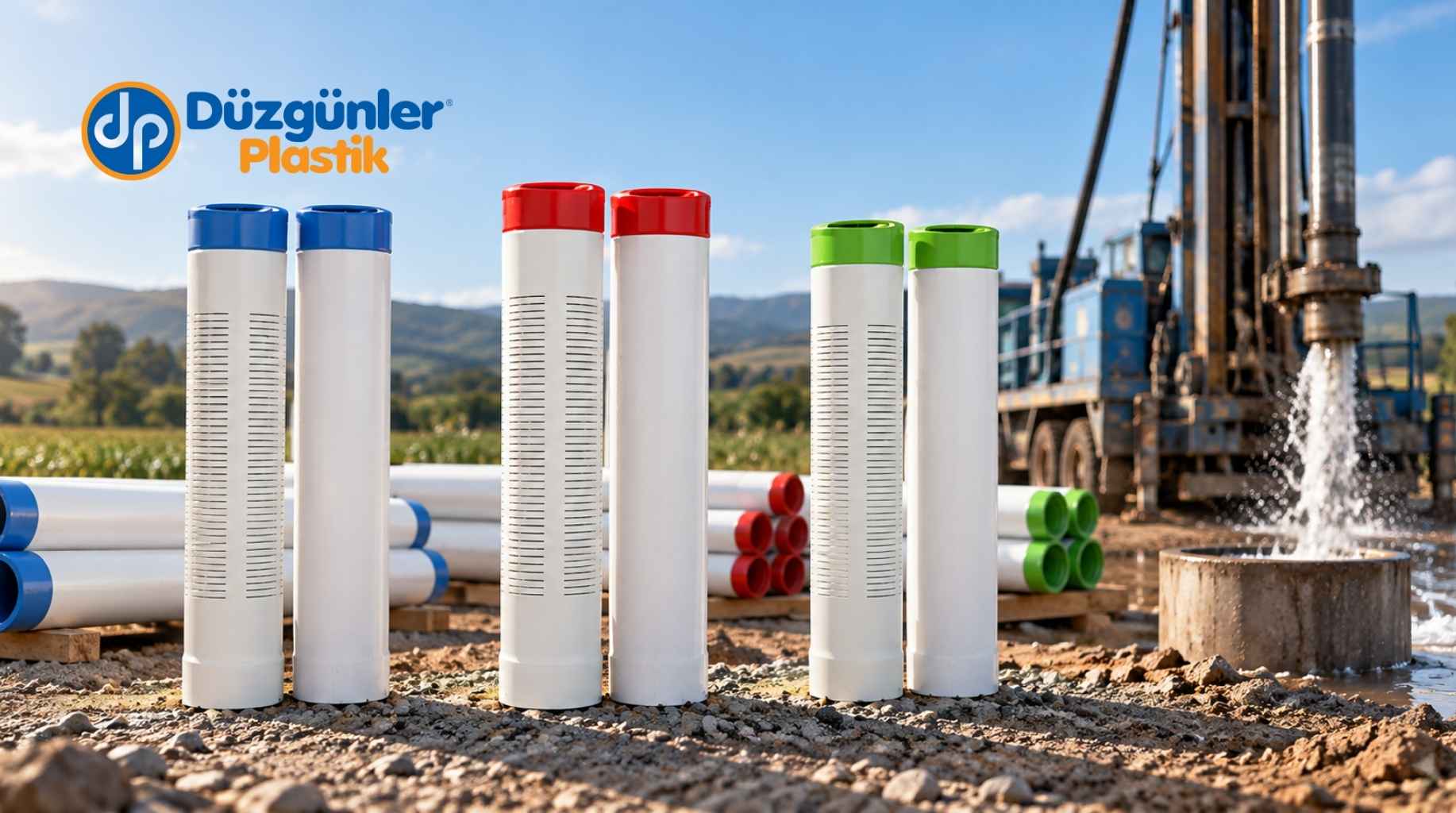
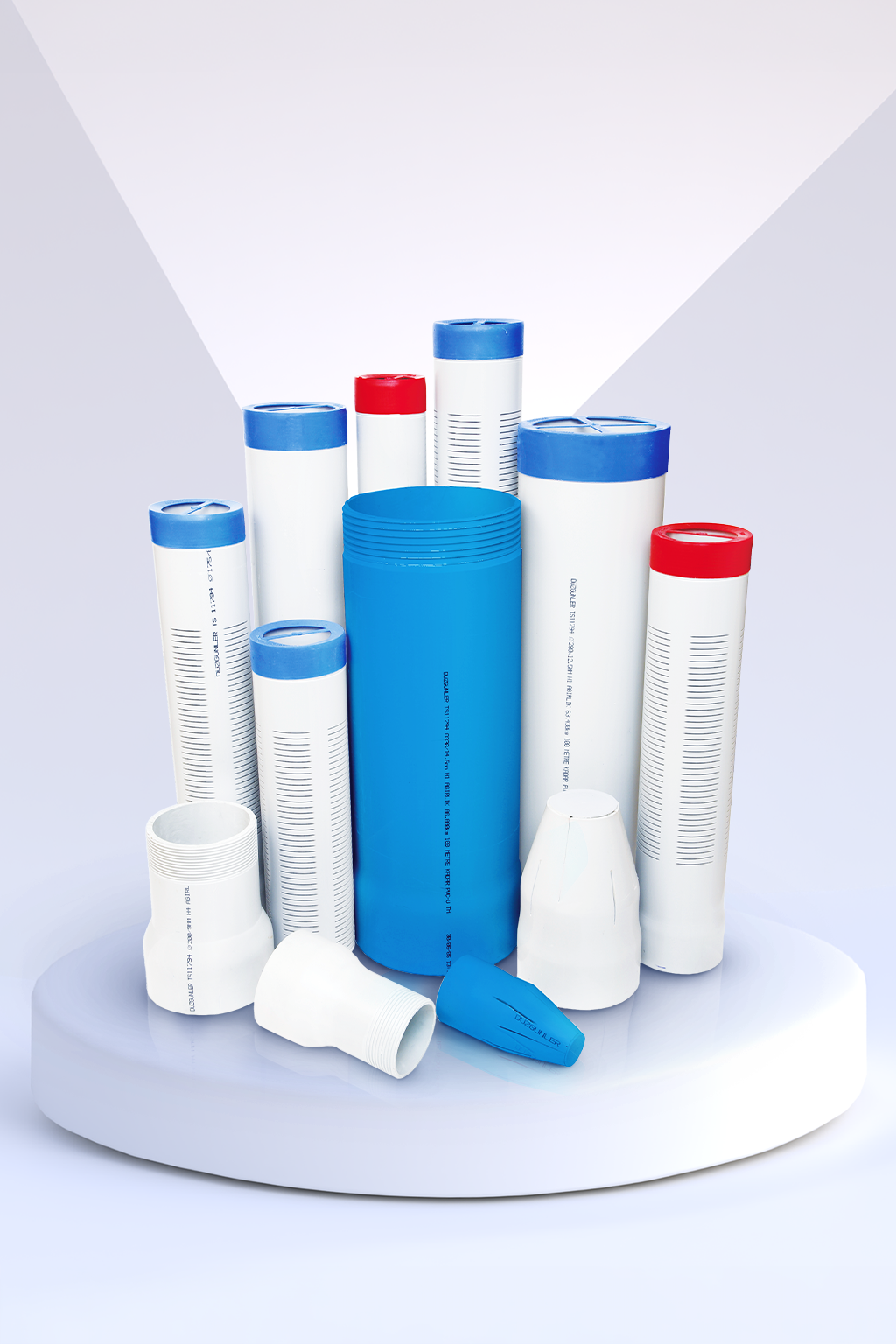
- Slotted PVC pipe or water well screen across the productive aquifer
- Reducers, centralisers and handling equipment to support installation
- A gravel pack, where required by the well design, to control sediment
- A sanitary wellhead arrangement to reduce surface contamination risks
FAO guidance describes the installation of PVC casing and screens according to aquifer position. It also notes that deeper wells require pipe walls specifically designed for the intended setting depth. FAO well construction guidance, FAO groundwater development guidance
Why are deep well pipes important for irrigation?
A productive borehole is more than a drilled opening. It must remain structurally stable, draw water from the correct geological layer and operate without excessive sediment entering the pump.
U-PVC casing and screens help to:
- Support the borehole wall
- Isolate unstable or unsuitable formations
- Admit groundwater at the selected aquifer level
- Reduce the entry of sand and coarse sediment
- Protect the submersible pump
- Avoid the corrosion associated with unprotected steel
- Simplify transport and installation through lower material weight
These benefits can reduce operational disruption, but a pipe cannot compensate for poor drilling, an incorrectly designed screen or unsustainable groundwater abstraction.
Where does the deep well pipe fit into an irrigation system?
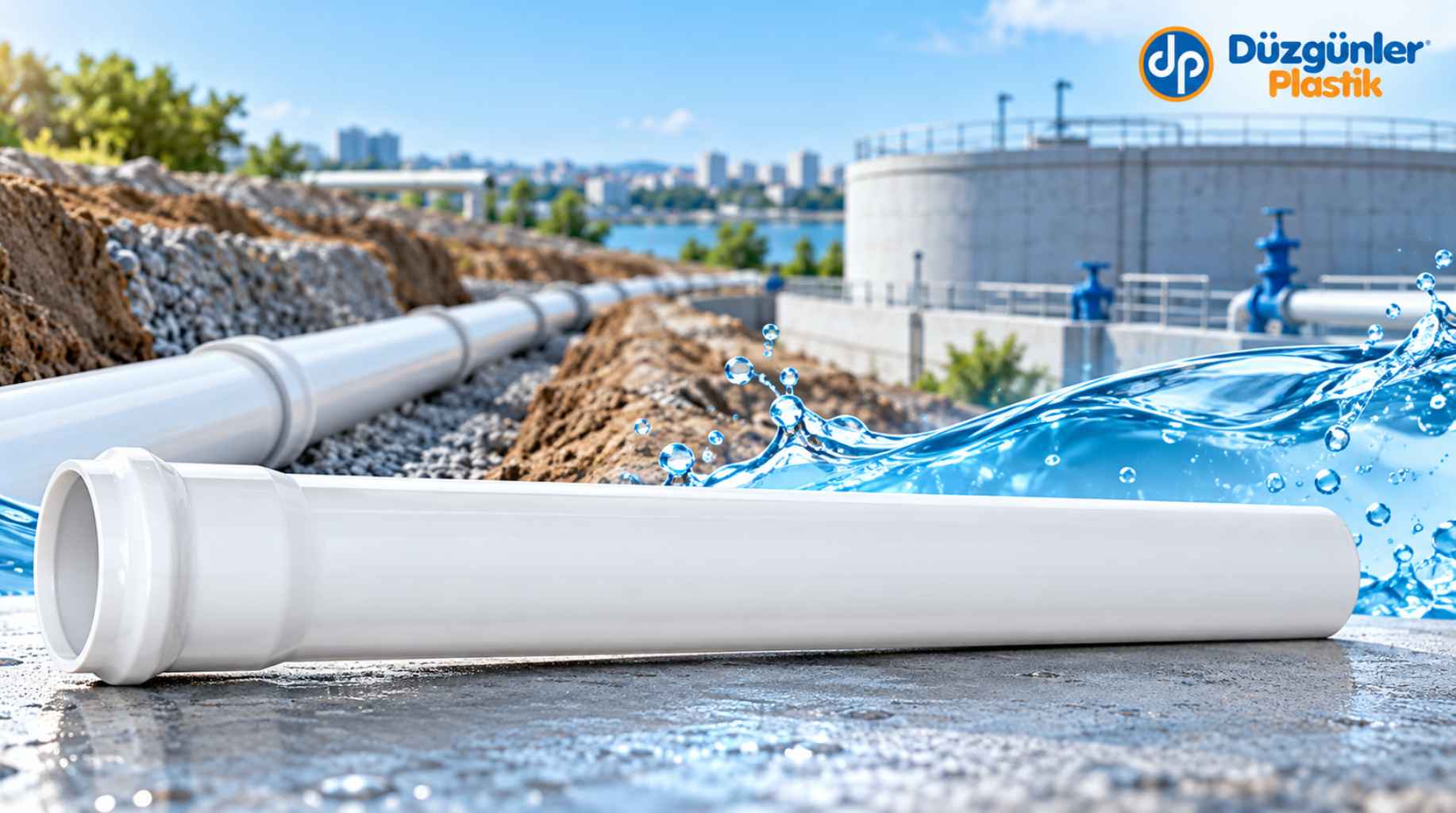
A borehole casing pipe does not normally carry pressurised water from the pump to the field. It creates the well through which groundwater is accessed. Other pipe categories then lift, convey and distribute that water.
The system usually follows this sequence:
- U-PVC casing and screen form the borehole.
- Groundwater enters through the correctly positioned screen.
- A submersible pump lifts the water.
- A column or drop pipe carries water to the wellhead.
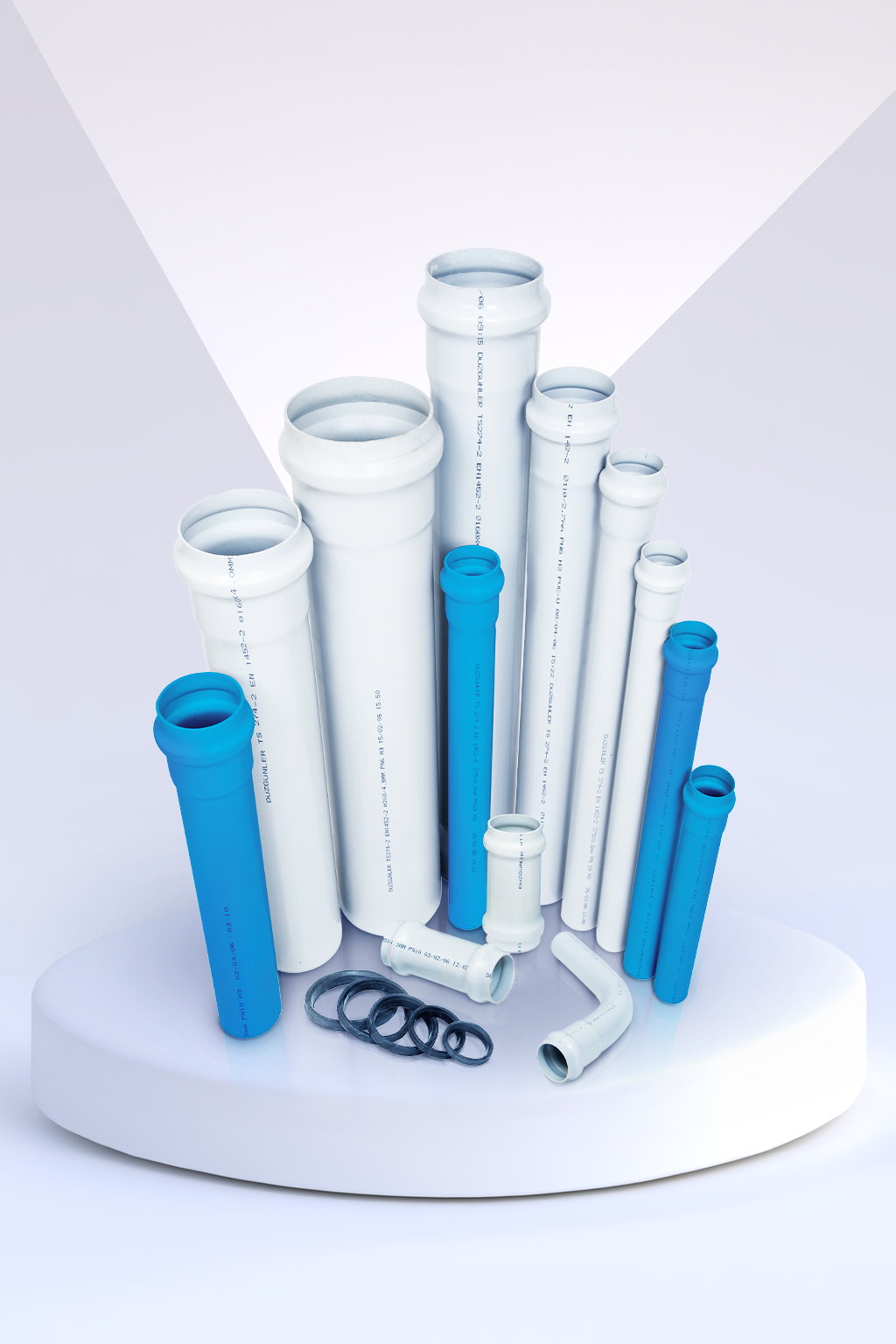
- A U-PVC pressure pipe or PE100 main conveys it to storage or irrigation zones.
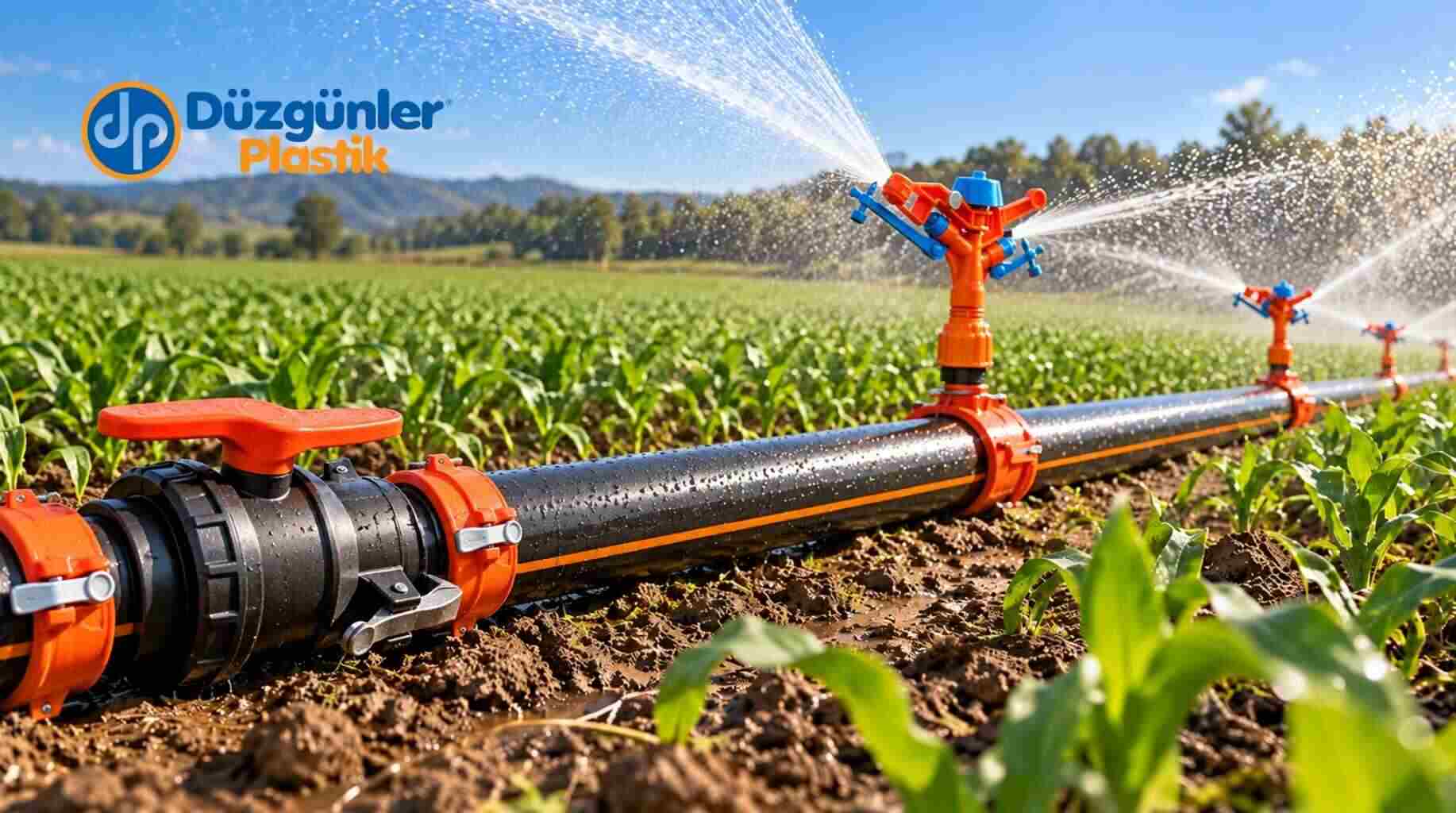
- Sprinkler or drip laterals distribute it to crops.
Accordingly, U-PVC deep well pipes and U-PVC pressure clean water pipes are complementary products rather than substitutes.
Why are these systems relevant to Spain?
Spain has more than 3.7 million hectares of irrigated land. Irrigated areas represent approximately 22% of cultivated land but account for around 67% of crop production, according to Spain’s Ministry of Agriculture. Approximately 53% of the irrigated area uses localised irrigation. Spanish Ministry of Agriculture
This makes hydraulic efficiency important, but efficient field irrigation does not automatically make groundwater extraction sustainable. Spanish projects must consider:
- Authorised abstraction volumes
- Aquifer condition and seasonal water levels
- Energy required for pumping
- Compatibility with metric pipe systems
- Required pressure class, such as PN10 or PN16
- Applicable Spanish and European water regulations
For Spain, product documentation should be available in Spanish and include dimensions, joint details, material information and test standards. Local engineering approval must be obtained before product selection.
Why are U-PVC well systems relevant to Morocco?
Morocco faces serious water scarcity and relies heavily on irrigation to maintain agricultural productivity. The country’s National Program of Water Savings in Irrigation targets irrigation modernisation across approximately 550,000 hectares, according to the World Bank. World Bank: climate-resilient irrigation in Morocco
In Morocco, a deep well system should therefore be evaluated as part of a wider water-efficiency plan. Key considerations include:
- Legal permission to drill and abstract groundwater
- Falling groundwater levels
- Pumping depth and energy cost
- Water salinity and crop tolerance
- Sand content and screen design
- Compatibility with drip or sprinkler networks
- Availability of French or Arabic technical documents
A corrosion-resistant casing may improve well durability, but it does not solve over-abstraction. Borehole yield and irrigation demand must be balanced with the aquifer’s sustainable capacity.
U-PVC versus steel well casing: which should you choose?
| Criterion | U-PVC casing | Steel casing |
|---|---|---|
| Corrosion | Does not rust | May require corrosion protection |
| Weight | Relatively light | Heavier |
| Installation | Easier handling | May require heavier equipment |
| Chemical resistance | Suitable for many water conditions | Depends on water chemistry and protection |
| Mechanical load | Limited by pipe class and design | Can suit higher mechanical loads |
| Selection priority | Depth and collapse-pressure verification | Corrosion and connection assessment |
Neither material is universally superior. U-PVC is attractive where corrosion resistance and installation efficiency matter; steel may remain appropriate where exceptional mechanical loads or geological conditions demand it.
How should a U-PVC deep well pipe be selected?
The correct pipe cannot be selected from a PVC well casing price list alone. The engineer should examine:
- Total borehole depth
- Static and dynamic water levels
- Borehole and pump diameters
- Aquifer position and thickness
- Soil and rock formation
- Screen slot size
- Collapse resistance
- Groundwater chemistry
- Required irrigation flow
- Connection and sealing system
An oversized slot may allow sand into the well. An undersized slot can restrict inflow and increase hydraulic losses. Likewise, using a pipe class that is not designed for the actual depth can expose the casing to unacceptable external pressure.
What does Düzgünler Plastik offer?
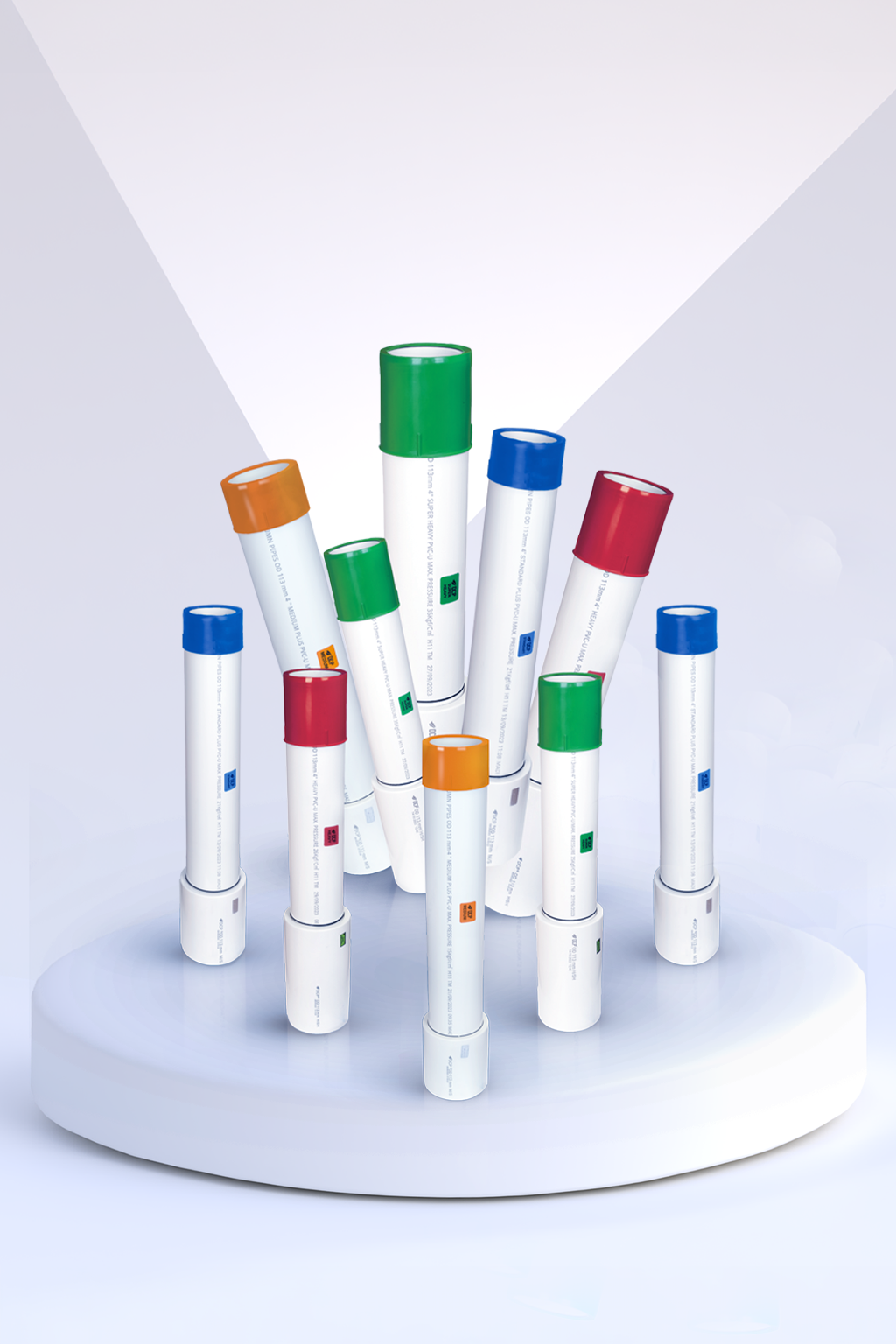
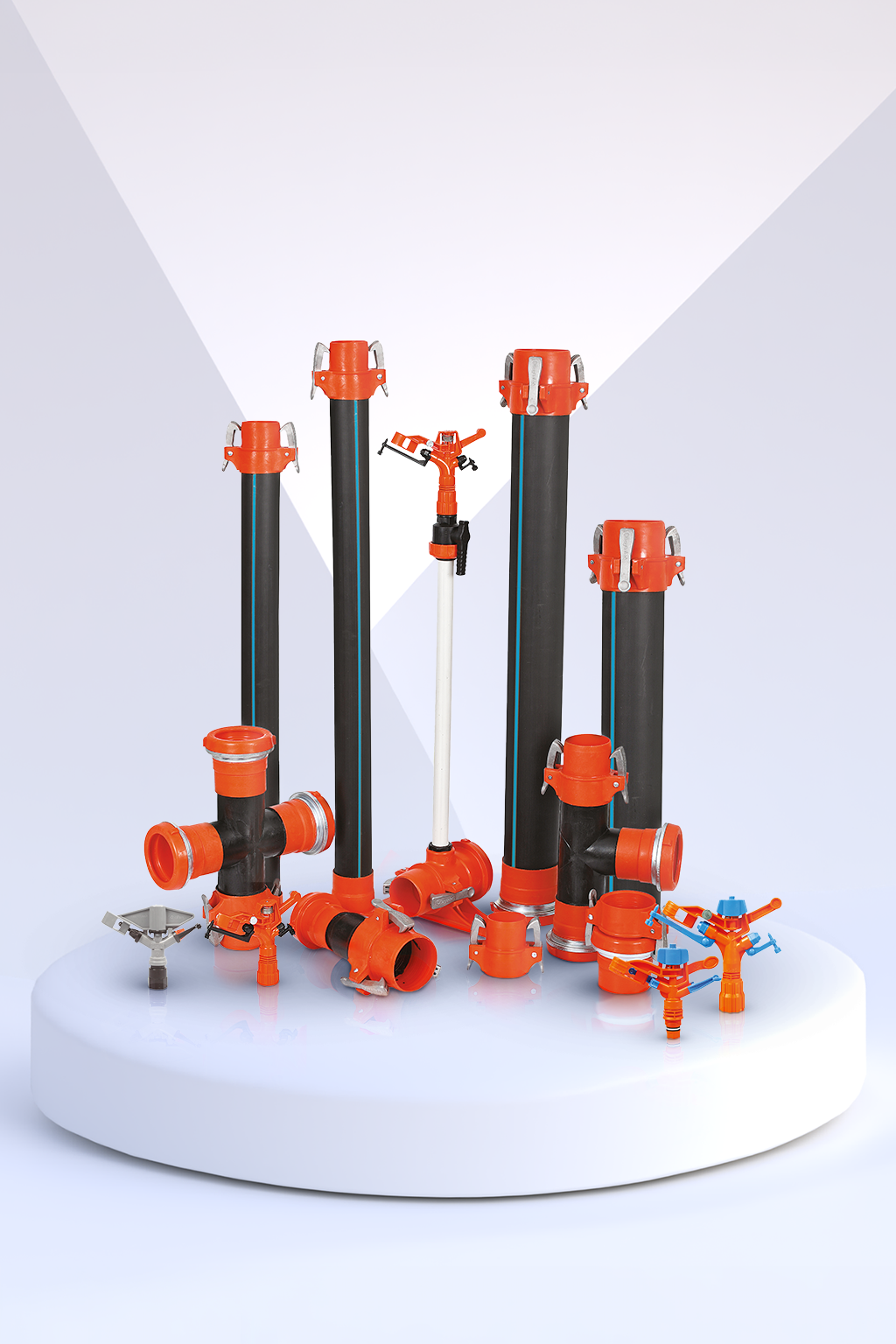
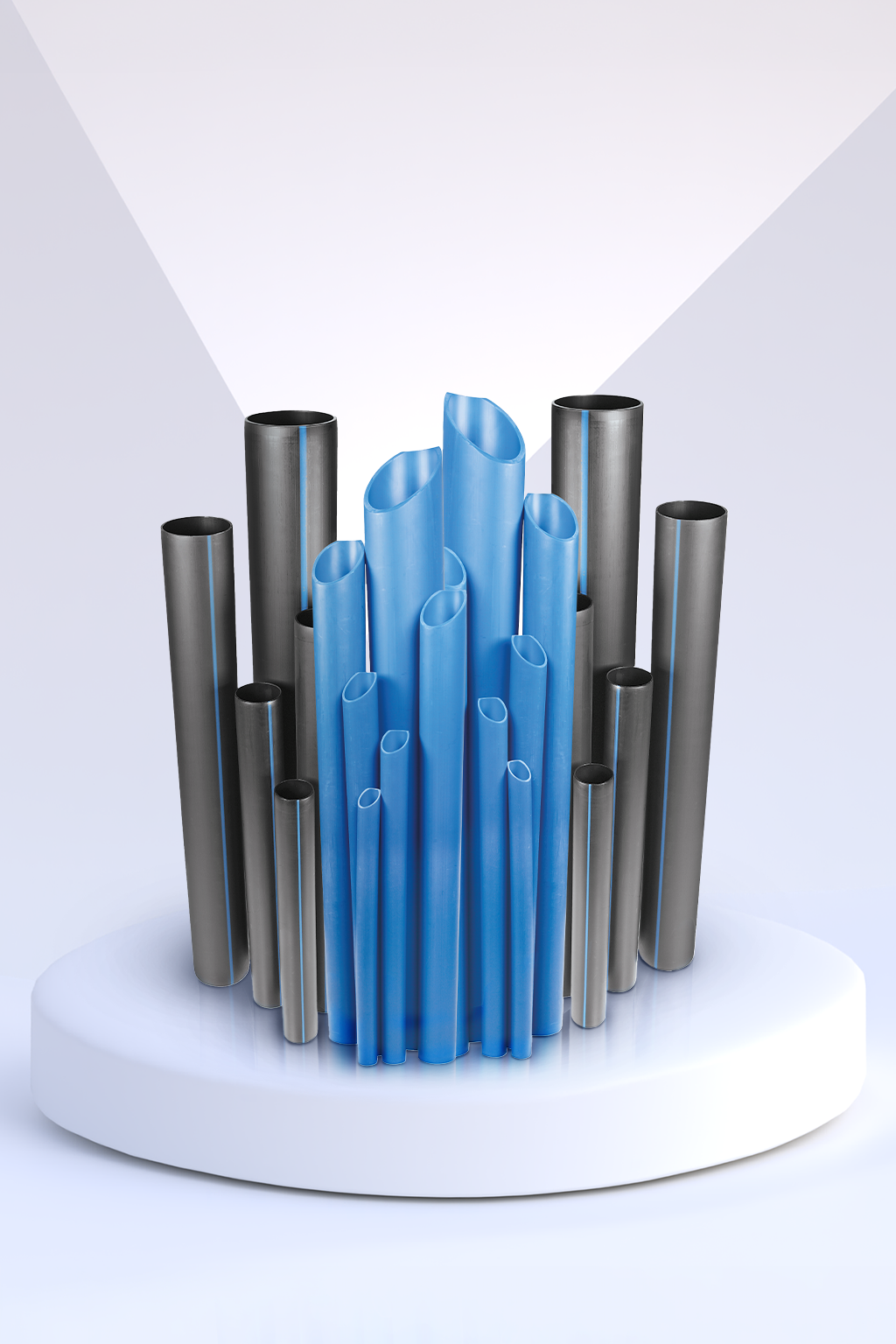
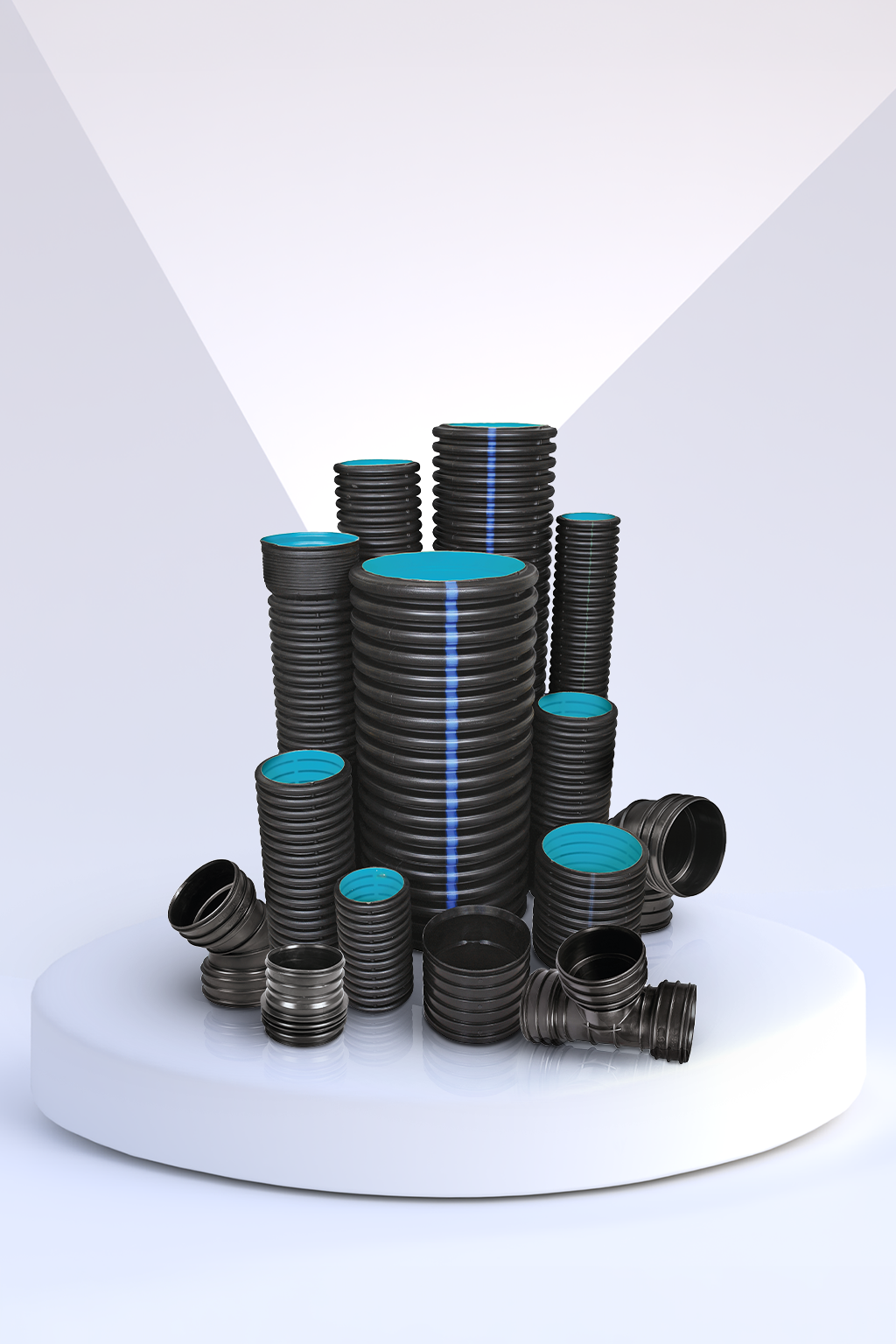
Founded in 1975, Düzgünler Plastik manufactures U-PVC deep well, column and pressure clean water pipes alongside PE100 and latched sprinkler systems. Its deep well range includes plain and screen pipes for different project requirements.
The company presents:
- 100-metre depth alternatives
- 300-metre depth alternatives
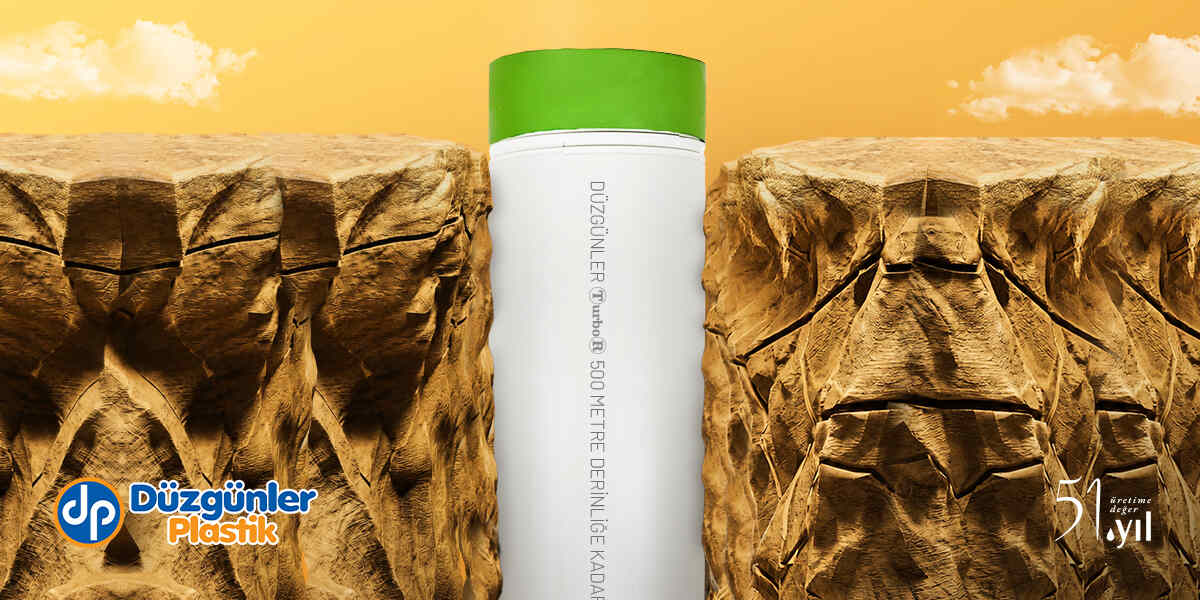
- 500-metre depth alternatives
- Plain casing and slotted screen options
- Reducers and installation accessories
- An ISO 9001:2015 quality management framework
These depth categories are product classifications, not permission to install a pipe at any stated depth without calculation. Final selection should be confirmed against borehole data, local rules and the manufacturer’s current technical sheets. Düzgünler Plastik deep well pipes
Frequently Asked Questions - FAQ
What does U-PVC casing do in an irrigation borehole?
It supports and isolates the borehole while the screened sections admit groundwater from the target aquifer. It is not the same as the pressure main that carries water to crops.
How deep can U-PVC well casing be installed?
The safe depth depends on pipe class, wall thickness, diameter, external pressure and installation conditions. A nominal product depth must always be verified by engineering calculation.
How is the correct screen slot size selected?
The slot size is selected from formation and gravel-pack particle data. Incorrect openings may cause sand pumping or restrict groundwater inflow.
Can borehole water be used directly for irrigation?
It should first be tested for salinity, suspended solids and chemical characteristics relevant to soil and crop health. The available yield should also be compared with irrigation demand.
Is U-PVC casing suitable for Spain and Morocco?
It may be suitable when its dimensions, mechanical performance and documentation comply with the project and local requirements. Approval should come from the project engineer and relevant authorities.
People Also Ask – PAA
Is PVC or steel better for an agricultural water well?
U-PVC offers low weight and corrosion resistance. Steel can provide advantages under high mechanical loads. The correct material depends on depth, geology, water chemistry and engineering requirements.
What is the difference between borehole casing and pressure pipe?
Borehole casing forms and protects the well. A pressure pipe carries pumped water from the wellhead to a reservoir or irrigation network.
Does a deeper well always provide more water?
No. Well yield depends on the aquifer, screen positioning and groundwater conditions. Greater depth can also increase pumping energy without producing a higher sustainable flow.
Author biography:
The Düzgünler Plastik Editorial Team combines corporate product data with recognised technical and water-management sources to prepare content on deep wells, irrigation and plastic piping systems. The company has manufactured pipe and irrigation solutions since 1975. About Düzgünler Plastik
For more information about our products and production processes, please contact us.
For more content, please visit our blog.
Similar Blogs