
What Are Modern Agricultural Irrigation Methods?
Modern agricultural irrigation methods deliver water directly to the plant root zone with high control and low loss, and mainly include drip irrigation, sprinkler irrigation and center pivot systems. Compared with traditional surface (flood) irrigation, these methods use far less water while producing higher, more balanced yields.
As water resources become more limited, choosing the right agricultural irrigation methods directly affects both yield and production cost. This guide compares the methods in plain language and explains which one suits each field and crop.
What Are the Main Agricultural Irrigation Methods?
Below we cover the most widely used modern methods one by one, with how they work, the crops they suit and their advantages. Each method has a use case where it performs best.
What Is Drip Irrigation and How Does It Work?
Drip irrigation delivers water at a low flow rate through emitters directly to the root zone. Because water reaches the roots instead of the leaves or soil surface, evaporation and percolation losses are minimized.
This method is especially suited to row crops, vegetables and orchards. It also allows fertilizer to be applied with the water (fertigation). However, filtration and regular maintenance are needed to keep emitters from clogging.
What Is Sprinkler Irrigation?
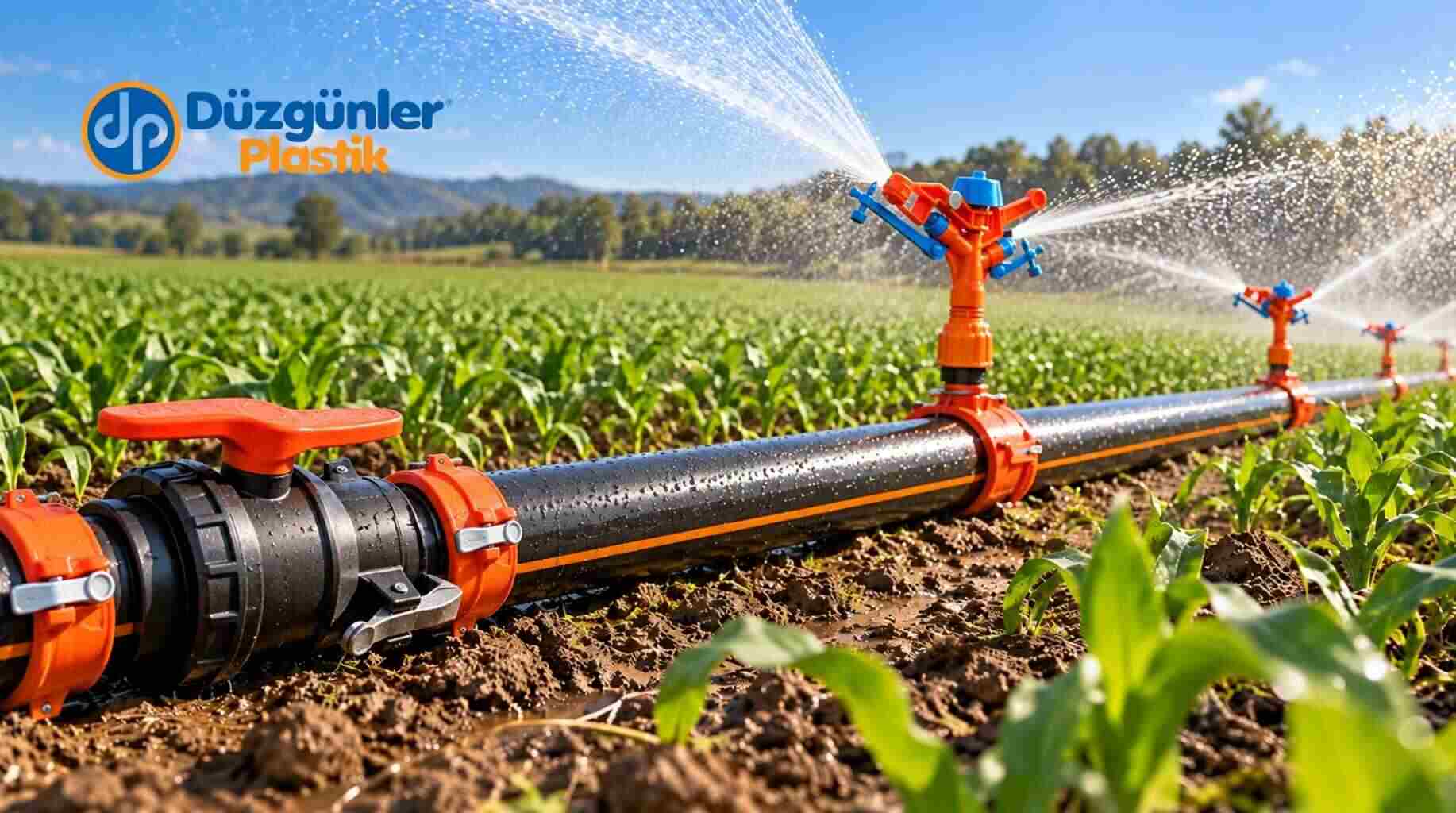
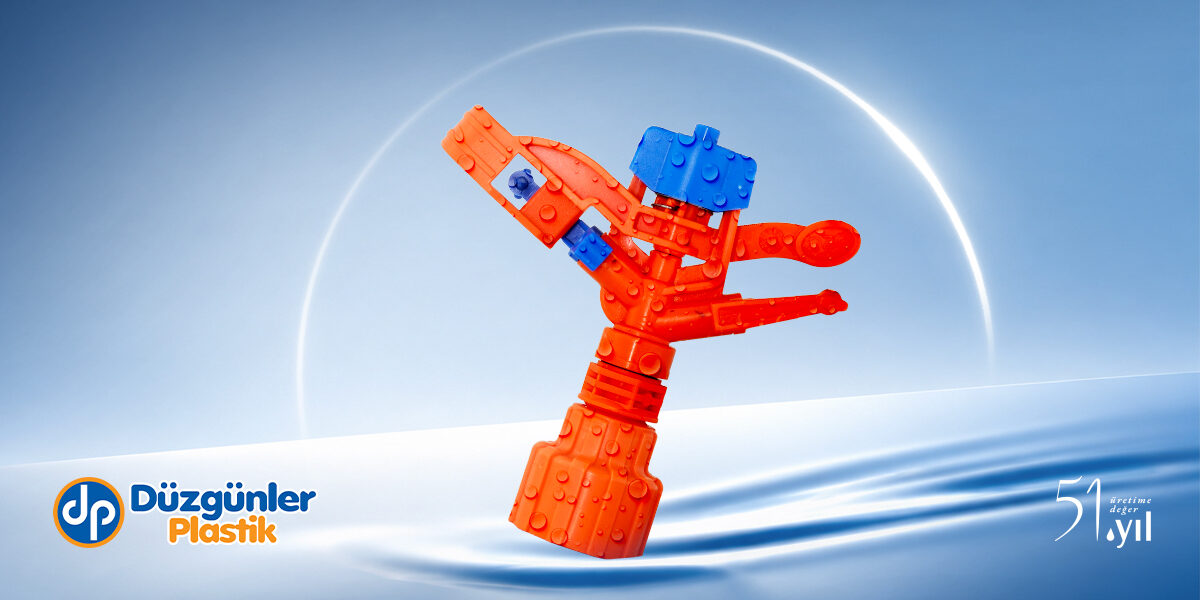
Sprinkler irrigation sprays water over the field as rain-like droplets through a pressurized line. It is widely preferred for broad field crops, turf and forage because it provides an even, homogeneous distribution.
In this system, water is distributed through sprinkler heads mounted on portable or fixed pipes. Head spacing and pressure settings matter, since strong wind can distort the pattern. Compared with surface irrigation, it offers clear water savings.
Where Do Latched Sprinkler Pipes Fit in This System?
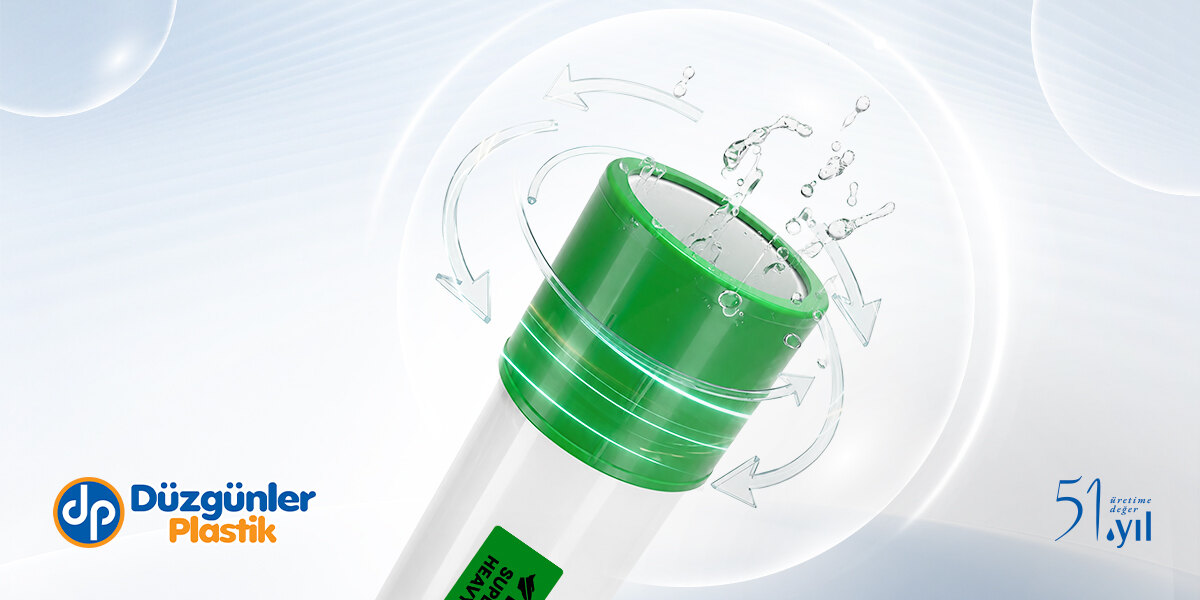
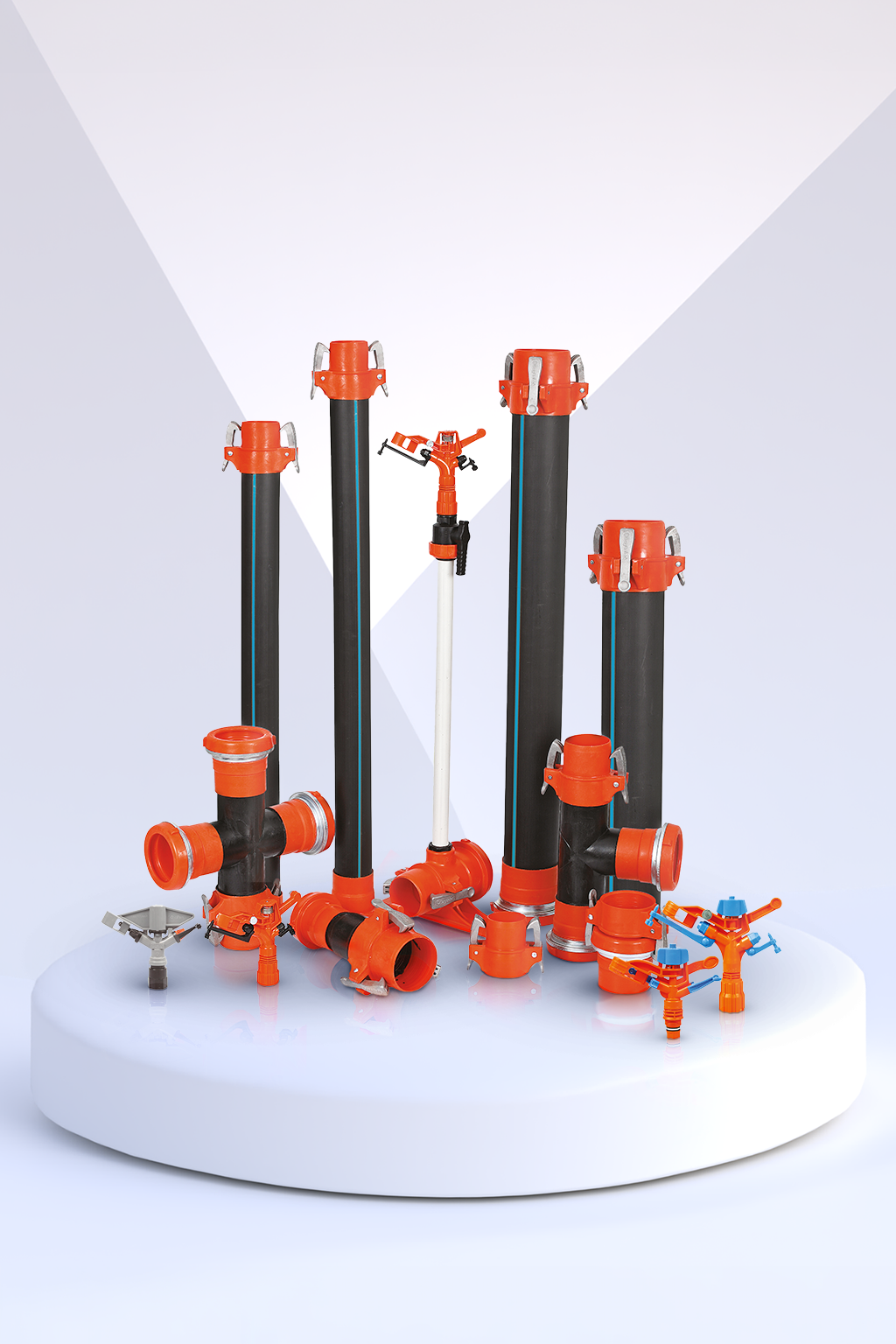
One of the most practical components of a sprinkler system is the latched sprinkler pipe. Thanks to the latch-lock mechanism, pipes can be connected and disconnected quickly without tools, which is a major advantage for field systems that are moved seasonally.
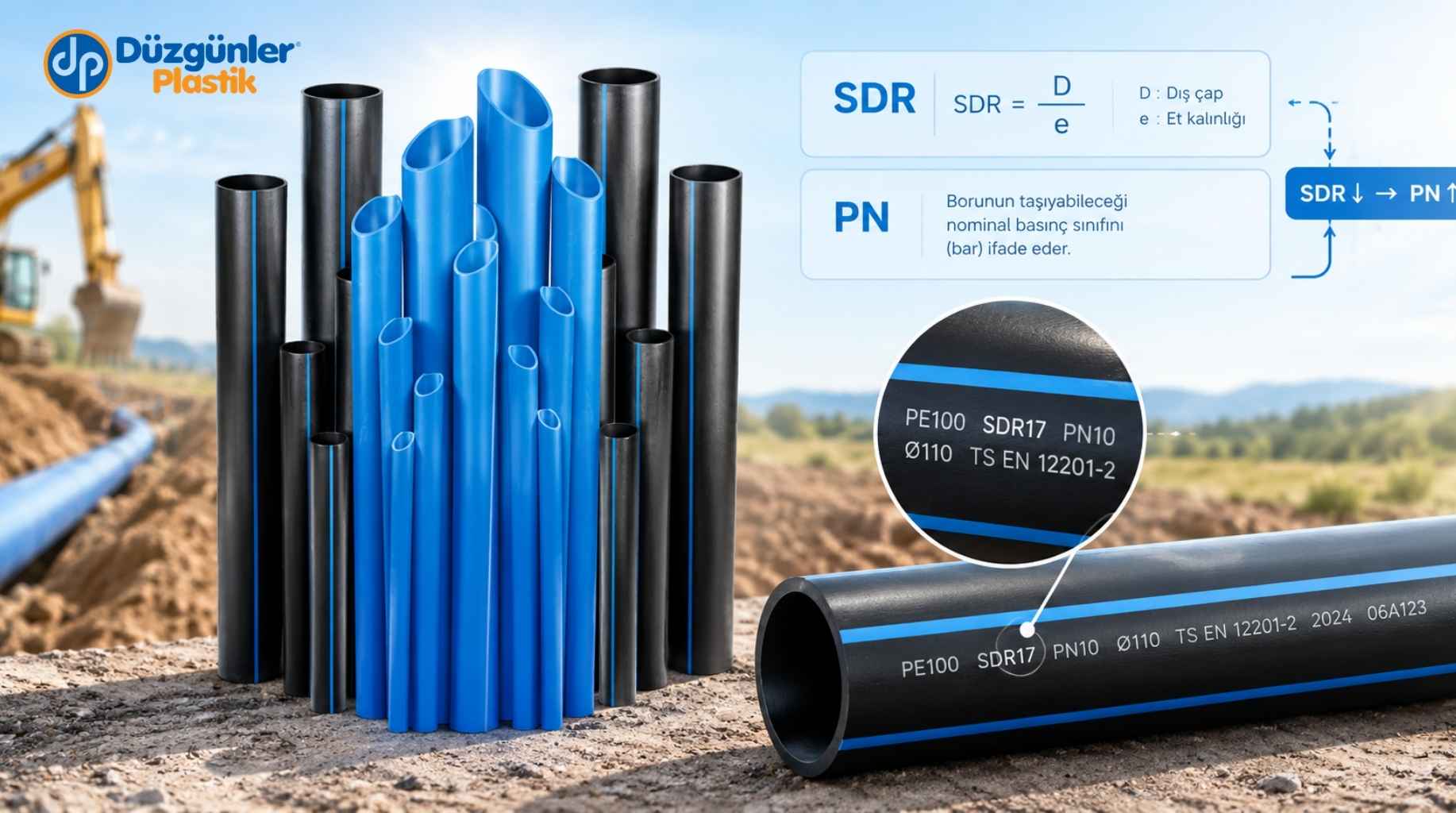
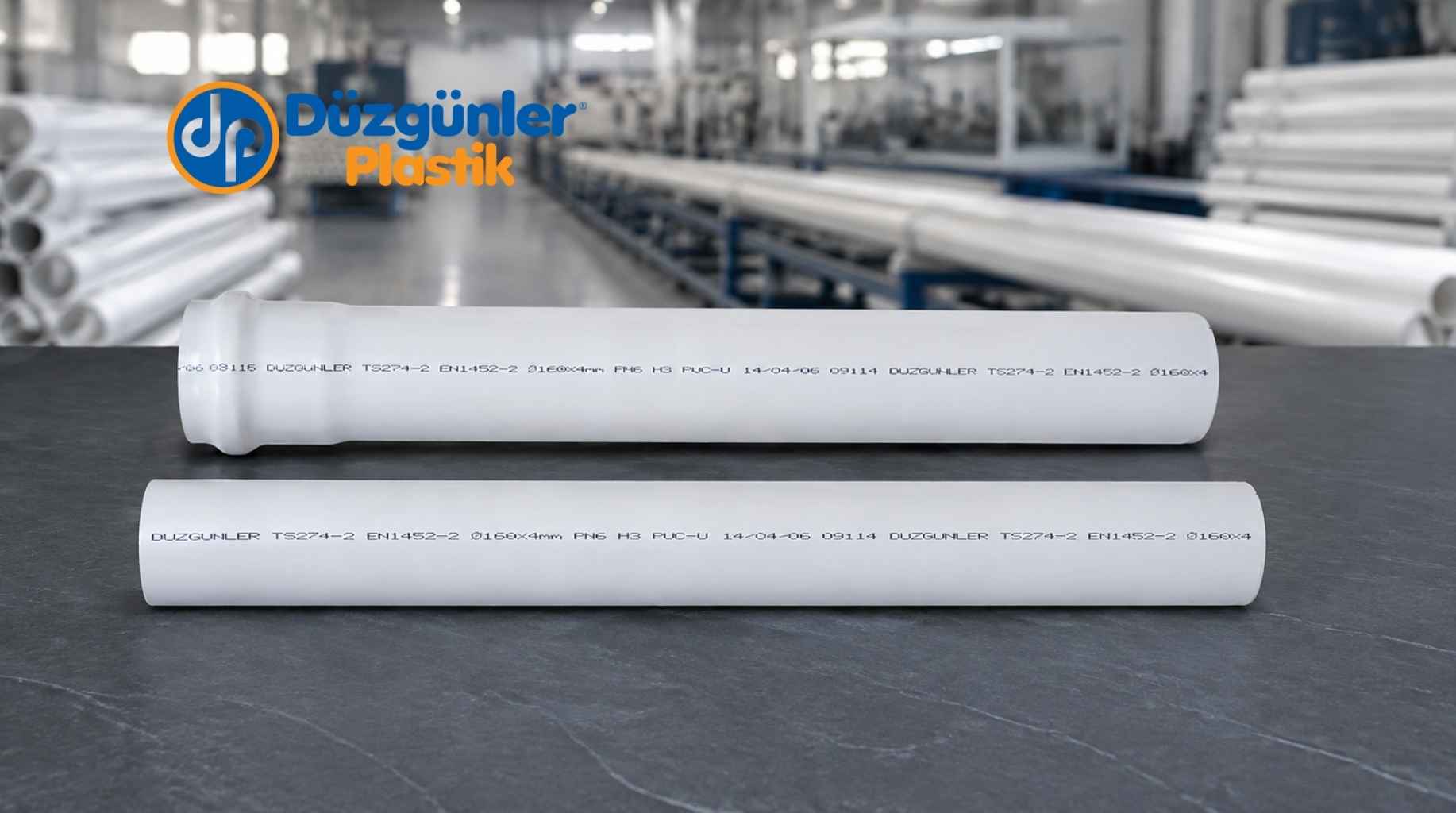
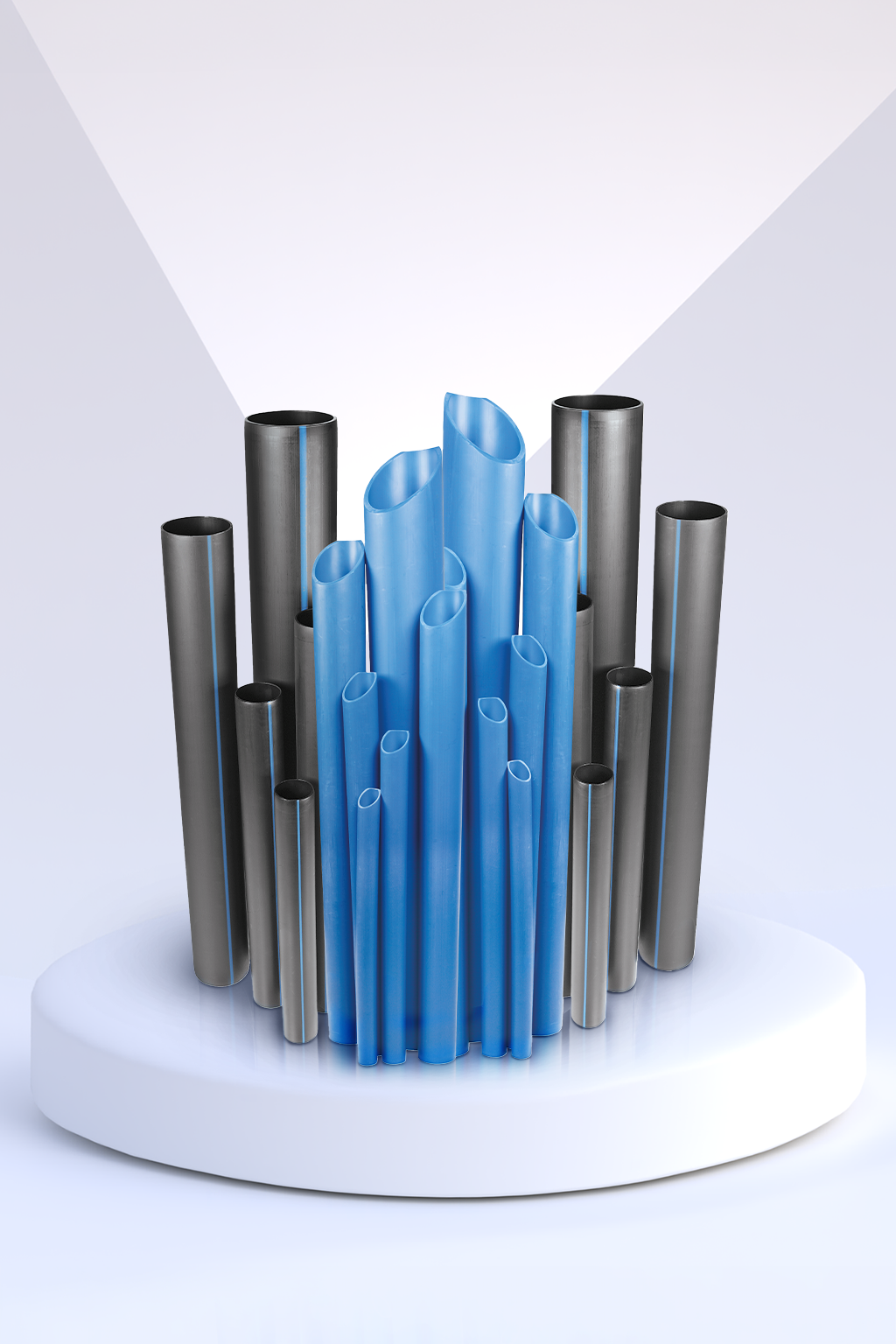
Düzgünler Plastik’s latched sprinkler pipes are produced from high-density polyethylene (HDPE) in accordance with the TS EN 12201-3 standard. Offered in 5, 6, 8 and 10 atm pressure options, they are UV-resistant for open-field conditions and provide leak-proof connections.
What Are Center Pivot and Linear Systems?
A center pivot uses sprinkler heads on a long pipe arm that rotates around a central point to automatically irrigate large areas. It reduces labor and standardizes distribution on large, regular parcels.
Linear (lateral-move) systems, unlike pivots, travel in a straight line across rectangular fields. Among agricultural irrigation methods these require the highest initial investment, so they are usually chosen by large-scale operations.
Which Agricultural Irrigation Method Is More Efficient?
In terms of water use efficiency, the usual order is drip > sprinkler > surface. The field-level efficiency ranges below are widely cited by the Food and Agriculture Organization (FAO) and in agronomy literature. These figures are not guarantees; they vary with maintenance, management and soil conditions.
|
Criterion |
Surface (Flood) |
Sprinkler |
Drip |
|---|---|---|---|
|
Water use efficiency |
40–60% |
70–85% |
80–95% |
|
Initial investment |
Low |
Medium |
High |
|
Best use |
Level fields |
Field / forage crops |
Row crops / orchards |
|
Water source |
High flow rate |
Pressurized line |
Pressurized + filtration |
|
Maintenance need |
Low |
Medium |
Emitter clogging risk |
|
Field Note: The method is chosen for the field and crop • There is no single "best method"; efficiency depends on crop type, soil, field slope and water source. • Even in high-efficiency systems, poor maintenance (clogged emitters, low pressure) can drop efficiency to surface-irrigation levels. • Before switching, measure your water source flow and pressure first, then select pipe diameter and pressure class accordingly. |
Benefits of Switching to Modern Agricultural Irrigation Methods
Set up correctly and maintained regularly, modern methods deliver both water and cost advantages. The key benefits are:
-
Water savings: Drip and sprinkler deliver clear savings over surface irrigation.
-
More balanced yield: Water reaches the plant in a measured, uniform way.
-
Labor and energy: Automation-ready systems reduce workload.
-
Long service life: Standard-compliant, UV-resistant pipes last for years.
Frequently Asked Questions
Which agricultural irrigation method is the most efficient?
In terms of water use efficiency, drip irrigation is usually the highest (about 80–95%). However, the "most efficient" method depends on the field, crop and budget; for large field crops, sprinkler can be more practical.
Which crops is sprinkler irrigation suitable for?
Sprinkler suits field and forage crops such as wheat, corn and alfalfa, as well as turf and seedling areas, because it distributes water evenly. In very windy regions, distribution quality should be watched carefully.
What is a latched sprinkler pipe?
A latched sprinkler pipe is an HDPE irrigation pipe whose latch-lock ends allow it to be connected and disconnected quickly without tools. It provides easy assembly and leak-proof connections for portable field systems.
Should I choose drip or sprinkler irrigation?
For row crops like vegetables and fruit, and where water savings are the priority, drip is usually better; for large field and forage crops, sprinkler is often more suitable. The decision should weigh crop pattern and water source together.
What standard should irrigation pipes meet?
Sprinkler and clean-water lines should comply with the relevant standards, such as the TS EN 12201 series. Standard compliance provides assurance for pressure resistance, sealing and long service life.
People Also Ask - PAA
How is water saved in agricultural irrigation?
Water is saved by switching to pressurized methods such as drip or sprinkler, checking the line regularly, using the correct pipe pressure and diameter, and scheduling irrigation to the crop’s actual need.
How much pressure can a sprinkler pipe withstand?
The pressure class varies by product. Düzgünler Plastik latched sprinkler pipes are offered in 5, 6, 8 and 10 atm options; the choice should match the pressure requirement of the line.
What is subsurface irrigation?
Subsurface irrigation is a type of drip irrigation in which the drip lines are placed below the soil surface. It further reduces surface evaporation and improves water efficiency, but installation and maintenance must be planned more carefully.
Author / Expertise: Prepared by the technical team of Düzgünler Plastik — founded in Konya, Turkey, in 1975 — based on hands-on experience in plastic pipe production and irrigation lines. Product and standard details rely on the company’s technical documentation.
Sources: FAO (Food and Agriculture Organization) irrigation-method publications; Turkish Standards Institution (TSE) TS EN 12201 series.
For more information about our products and production processes, please contact us.
For more content, please visit our blog.
Similar Blogs