
How Does the Right Deep Well Pipe Selection Affect Project Lifespan?
The right deep well pipe selection — matching material quality, pressure rating and plain-versus-strainer type to the well — directly determines how long a well structure lasts. Choosing the wrong deep well pipe can cause early collapse, clogging or reduced water yield, cutting the project’s usable lifespan short.
As Düzgünler Plastik, manufacturing plastic pipes since 1975, we explain in this article why deep well pipe selection is one of the most critical decisions in any deep well project, including projects in Spain and Morocco.
What Is a Deep Well Pipe and Why Does It Matter for Project Lifespan?
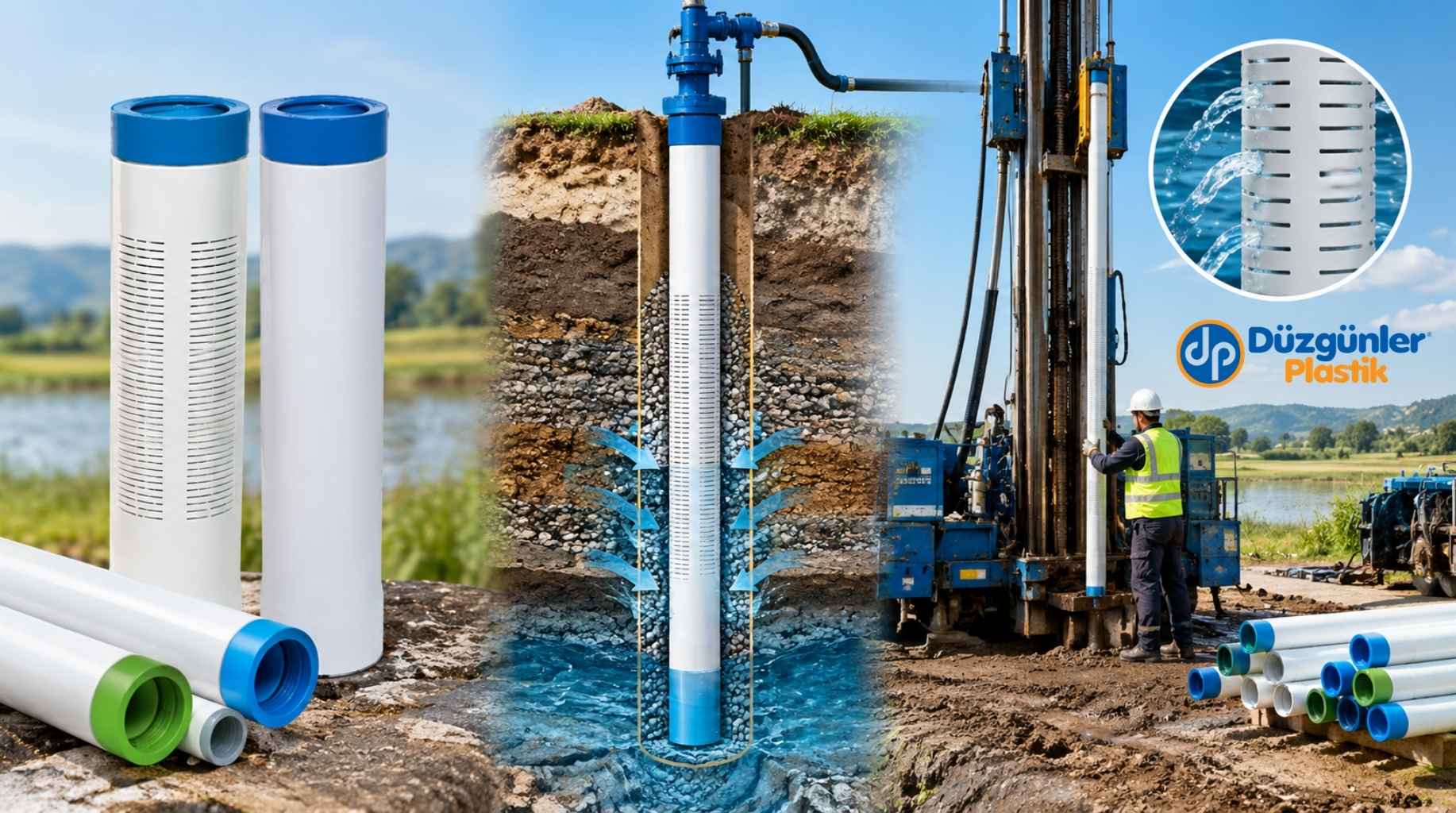
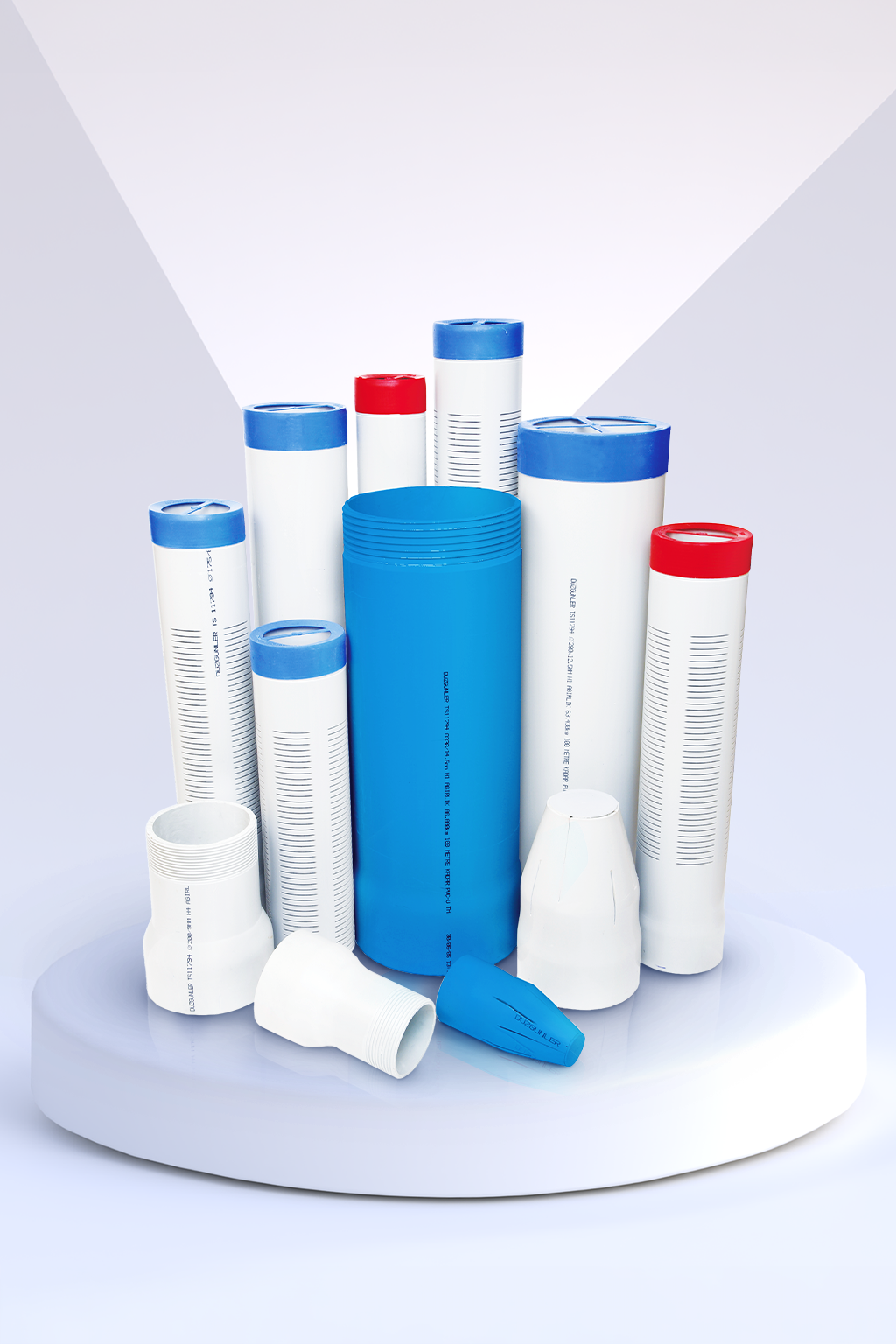
A deep well pipe (casing pipe) prevents the well walls from collapsing and controls water flow during drilling. Since the entire structural integrity of the well depends on this pipe, an error in deep well pipe selection directly shortens the project’s lifespan.
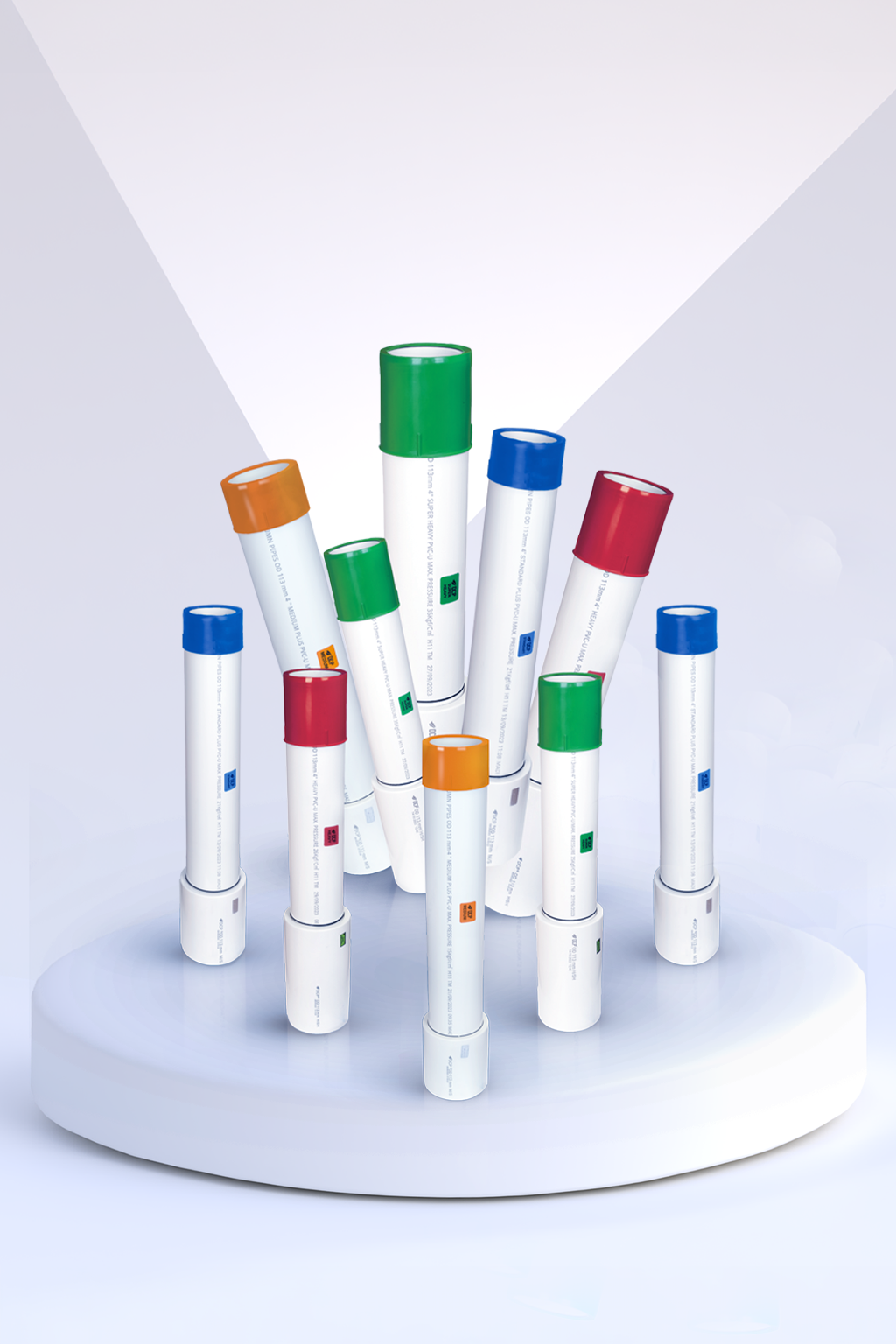
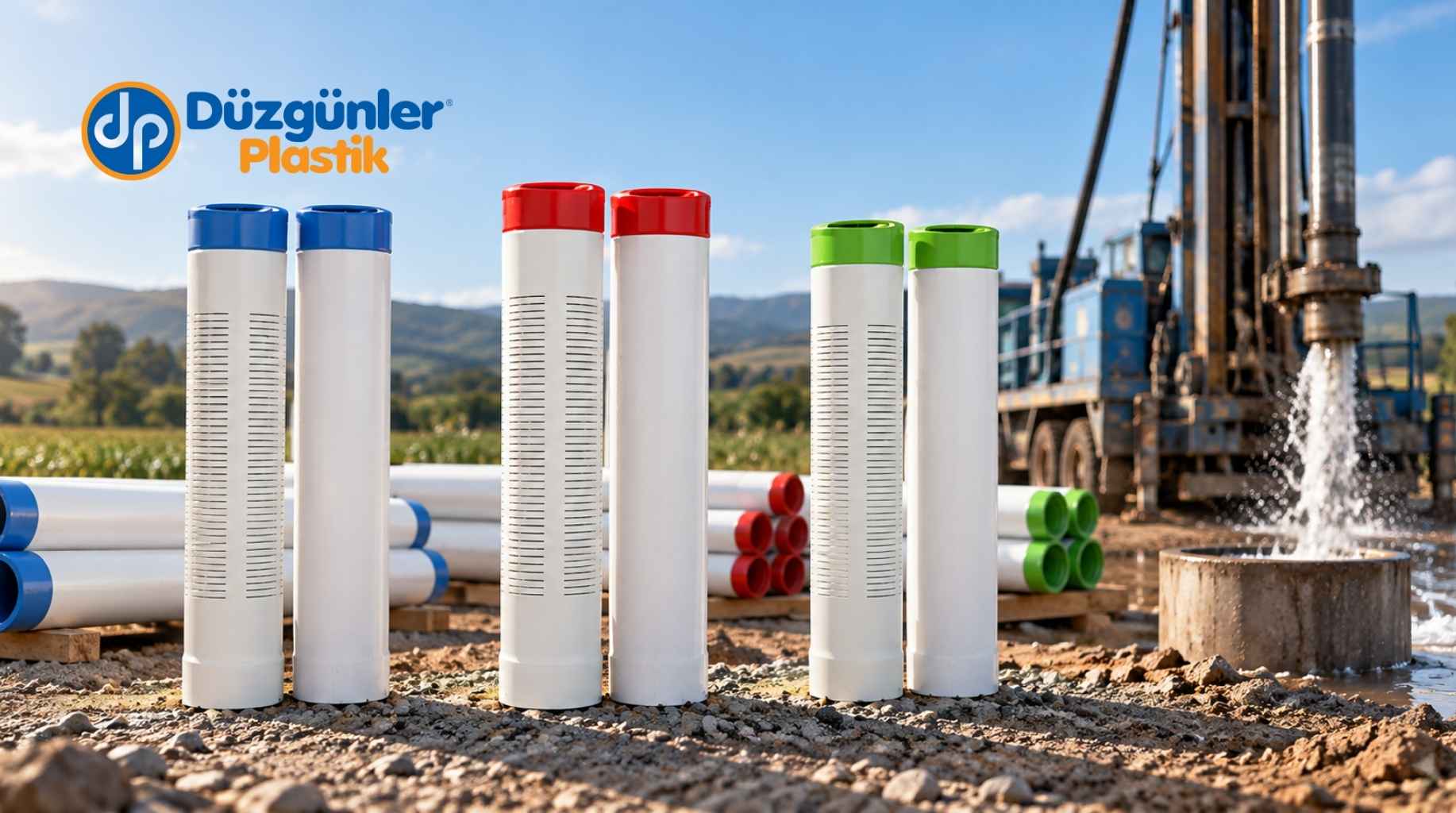
Düzgünler Plastik’s U-PVC deep well pipes are offered in 100, 300 and 500 meter depth options. Produced in accordance with the TS 11794 standard and the ISO 9001:2015 quality management system, they offer high resistance to decay, corrosion and chemical wear.
How Does the Wrong Deep Well Pipe Selection Shorten Project Lifespan?
A deep well pipe that does not match the well depth cannot withstand underground pressure and may deform or collapse over time. This shortens the well’s usable life and often forces an expensive re-drilling intervention.
A plain or strainer pipe mismatched to the aquifer causes sandy water intake and pump wear, reducing water yield. Pipes that do not meet recognized standards show earlier chemical wear and decay.
What Criteria Matter Most in Deep Well Pipe Selection?
A deep well pipe selection that protects project lifespan should weigh three criteria together.
Matching Pipe to Well Depth
Düzgünler Plastik deep well pipes are offered in 100, 300 and 500 meter depth options. As well depth increases, the pipe’s pressure rating and wall thickness become more critical; a pipe built for shallower use can fail early in a deeper well. This matters especially for agricultural and municipal wells in Spain and Morocco, where depth varies widely by region.
Plain vs Strainer: Matching Pipe Type to the Aquifer
A plain deep well pipe protects the well wall where no water intake is needed. A strainer (screened) deep well pipe allows water to enter the well at aquifer depth without carrying sand. Choosing the wrong type directly affects both water quality and pump life.
Material Quality and Standards Compliance
Deep well pipes produced to the TS 11794 standard and the ISO 9001:2015 quality management system pass laboratory testing before reaching the market. A deep well pipe without standards compliance may look identical but will not show the same resistance to decay and chemical wear. For export buyers in Spain and Morocco, requesting these certificates before shipment is a simple way to verify quality.
Right Selection vs Wrong Selection: Impact on Project Lifespan
The table below summarizes how correct and incorrect deep well pipe selection affects project lifespan.
|
Criterion |
Right Selection |
Wrong Selection |
|---|---|---|
|
Depth match |
Pressure rating matches well depth |
Risk of early deformation or collapse |
|
Plain vs strainer |
Water intake matches the aquifer |
Sandy water, pump wear, lost yield |
|
Standards compliance |
TS 11794 + ISO 9001:2015 certified |
Earlier decay and chemical wear |
|
Total project cost |
One correct investment |
Re-drilling and added labor cost |
|
Well lifespan |
Long-term, uninterrupted use |
Early need for re-intervention |
Which Manufacturer Should You Trust for Deep Well Pipe Selection?
Düzgünler Plastik was the first manufacturer in Turkiye to produce submersible pump U-PVC column pipes, and has operated in the plastic pipe sector since 1975. This experience carries into the same quality standards applied to deep well pipe production.
When making a deep well pipe selection, buyers in Spain and Morocco should look for a manufacturer that can provide TS 11794 and ISO 9001:2015 certification, multiple depth and type options, and laboratory test records.
Frequently Asked Questions - FAQ
What is the difference between a deep well pipe and a column pipe?
A deep well pipe lines and protects the well wall during drilling. A column pipe carries the submersible pump inside the well and delivers water to the surface under pressure. The two serve different functions and are typically used together in the same well.
Which depth option should I choose for deep well pipe selection?
The depth option should match the planned well depth. Düzgünler Plastik offers 100, 300 and 500 meter depth options; deeper wells require a higher pressure-rated model.
Should I use a plain or a strainer deep well pipe?
This depends on the aquifer structure. Plain pipe is used where no water intake is needed, while strainer (screened) pipe is used at the depth where water must enter without carrying sand. A soil survey should guide this decision.
What is the risk of using a non-standard deep well pipe?
Non-standard pipes are typically produced with lower wall thickness and uncertain material quality. This increases the risk of early decay, collapse and chemical wear inside the well, shortening project lifespan.
How many years does a deep well pipe last?
Lifespan depends on material quality, correct depth selection and soil conditions. A deep well pipe produced to TS 11794 and ISO 9001:2015 standards and correctly selected is designed for long, uninterrupted years of use.
Does Düzgünler Plastik export deep well pipes to Spain and Morocco?
Yes. Düzgünler Plastik supplies U-PVC deep well pipes for agricultural and municipal well projects in Spain and Morocco, with the same TS 11794 and ISO 9001:2015 certified production used domestically.
People Also Ask - PAA
How is deep well pipe diameter determined?
Deep well pipe diameter is determined by the planned well flow rate, the dimensions of the submersible pump to be installed, and the drill bit diameter of the drilling rig. An incorrect diameter can complicate pump installation.
Why can a deep well pipe collapse?
A deep well pipe can collapse due to a pressure rating that does not match well depth, non-standard material, or underground pressure higher than anticipated. Correct depth and standards selection significantly reduces this risk.
Is it safe to use a second-hand deep well pipe?
Second-hand deep well pipes may carry invisible cracks, wear, or loss of standards compliance from prior use. For project lifespan, a certified and tested new deep well pipe is the safer choice.
This content was prepared based on Düzgünler Plastik’s technical experience in plastic pipe manufacturing and the relevant TS/ISO standards.
TS 11794 - Turkish Standards Institution
ISO 9001 - Quality Management Systems
For more information about our products and production processes, please contact us.
For more content, please visit our blog.
Similar Blogs