

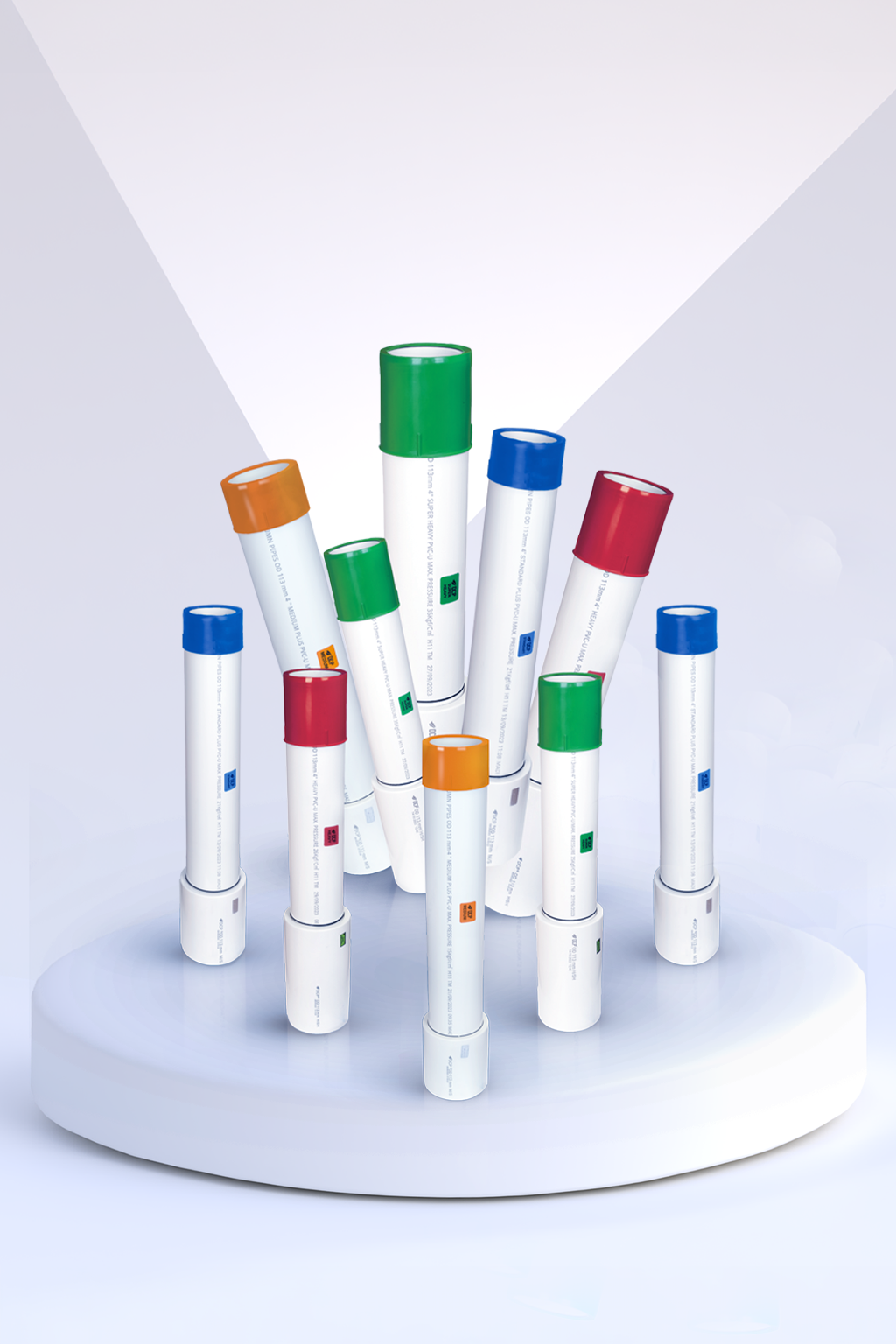
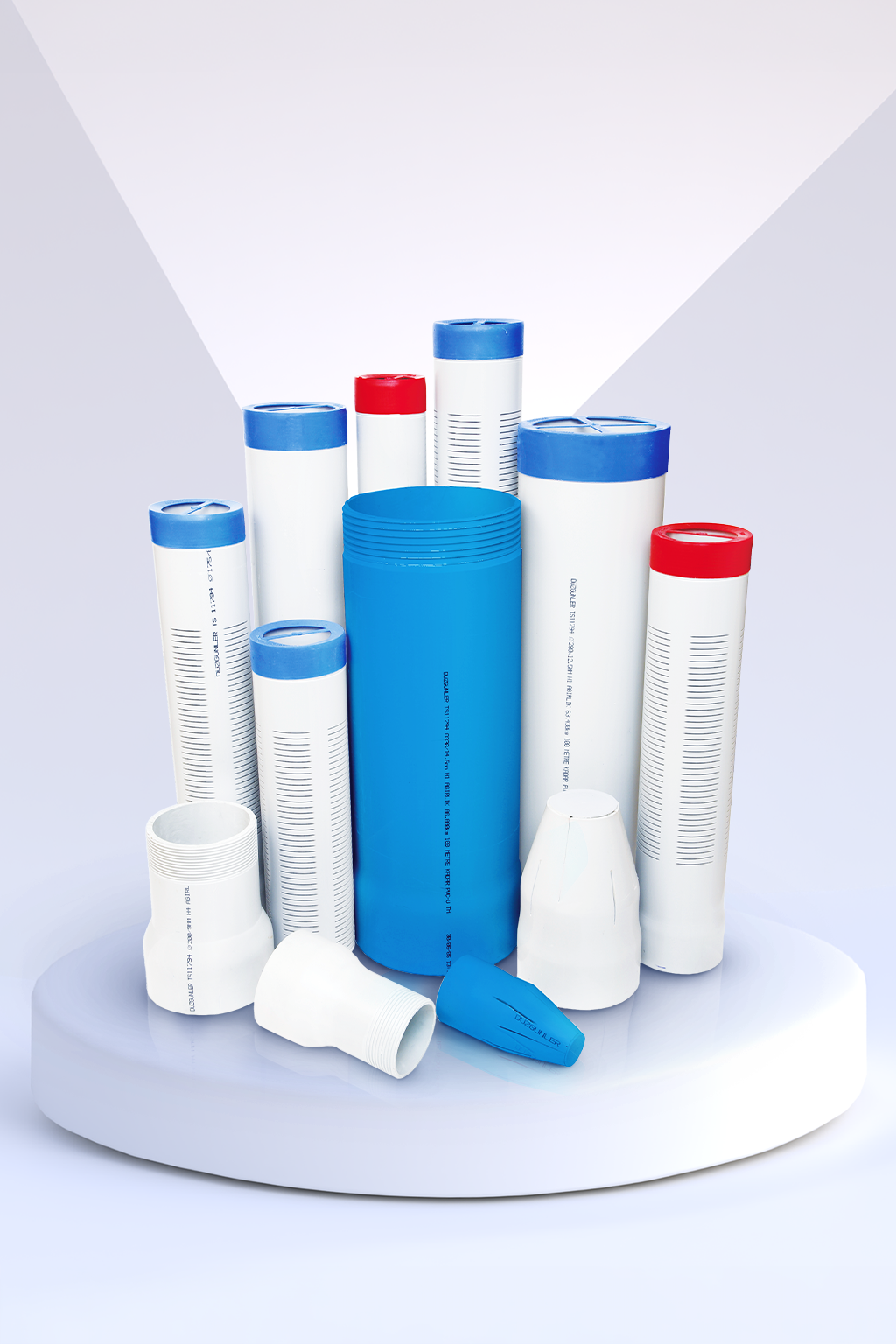
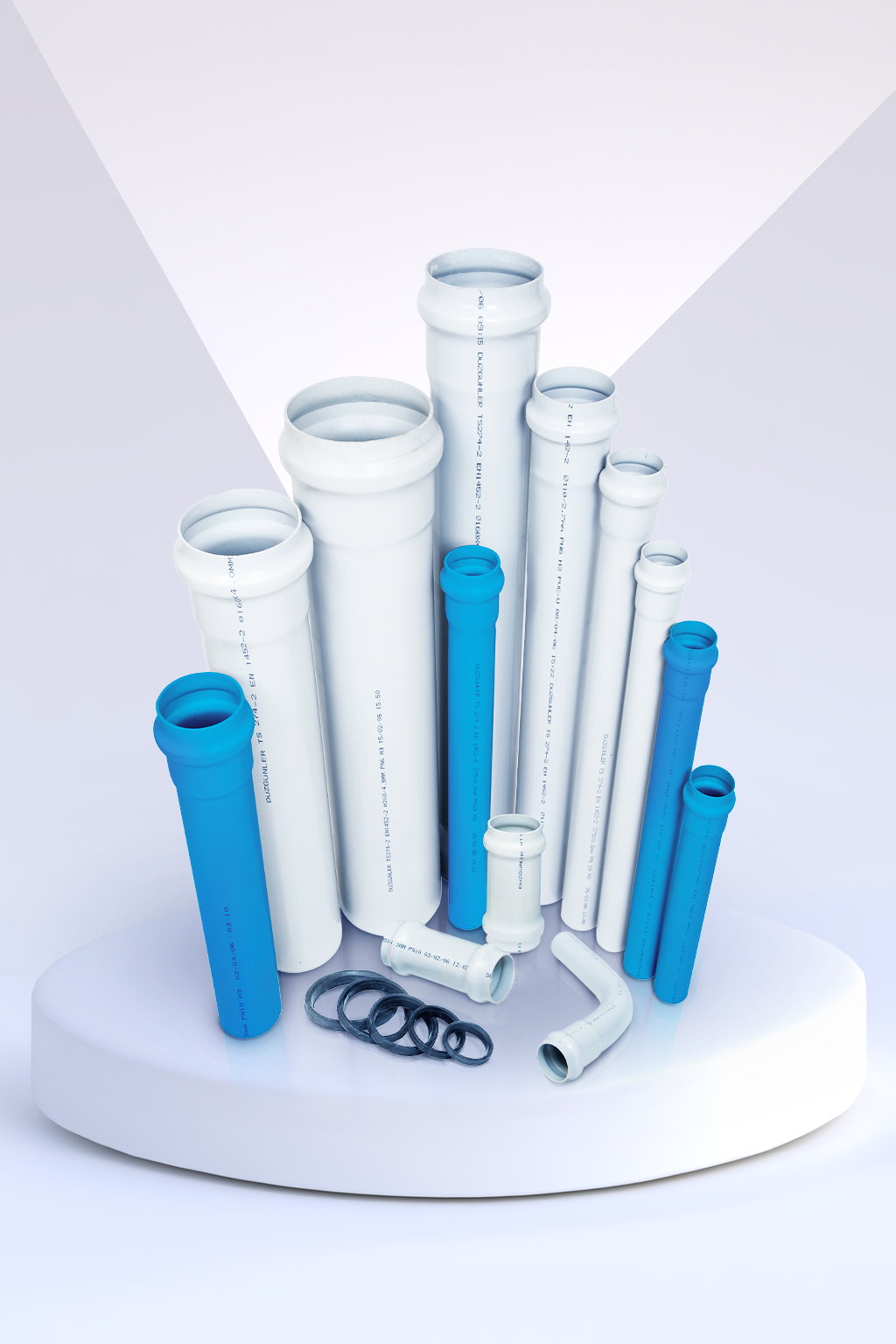
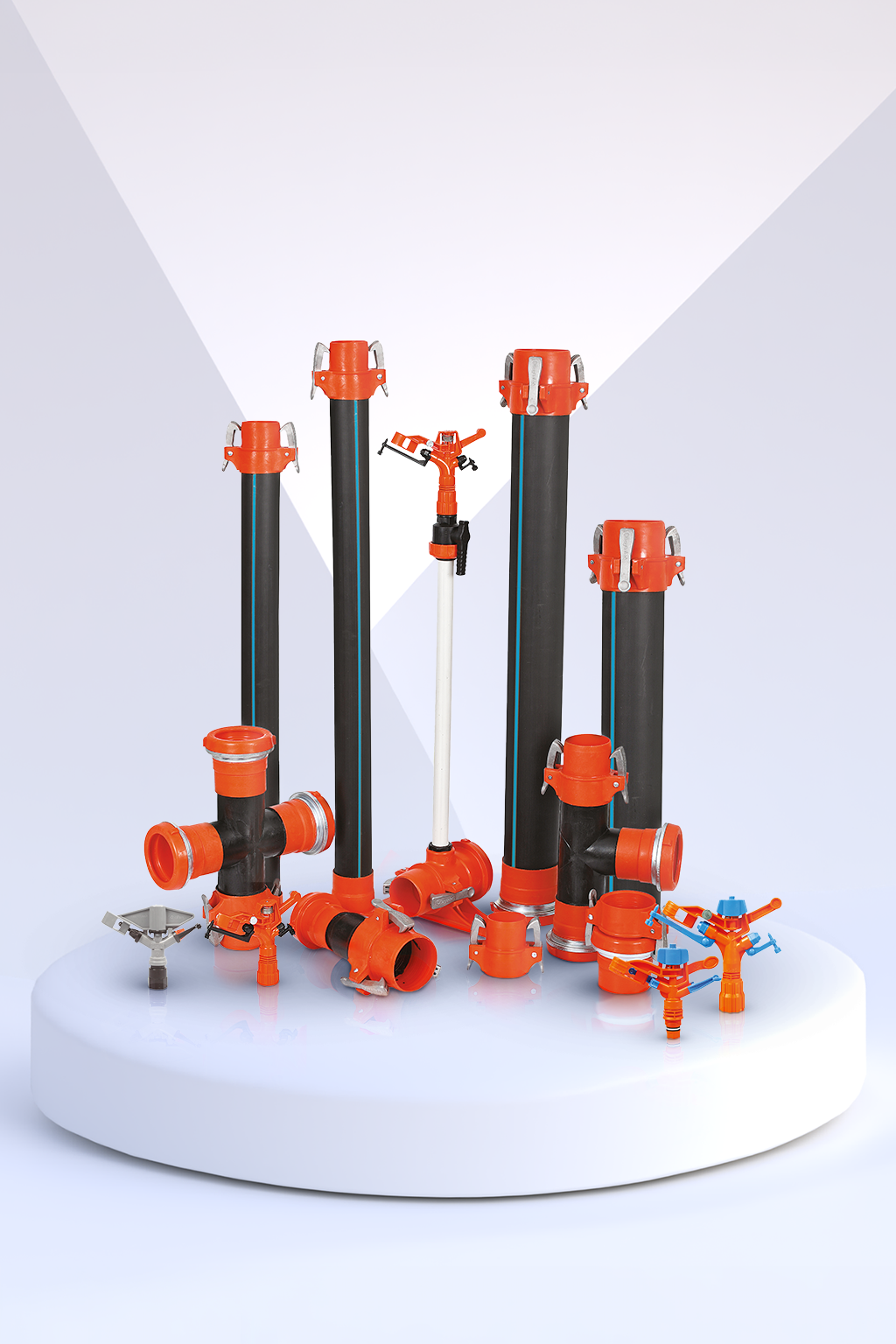
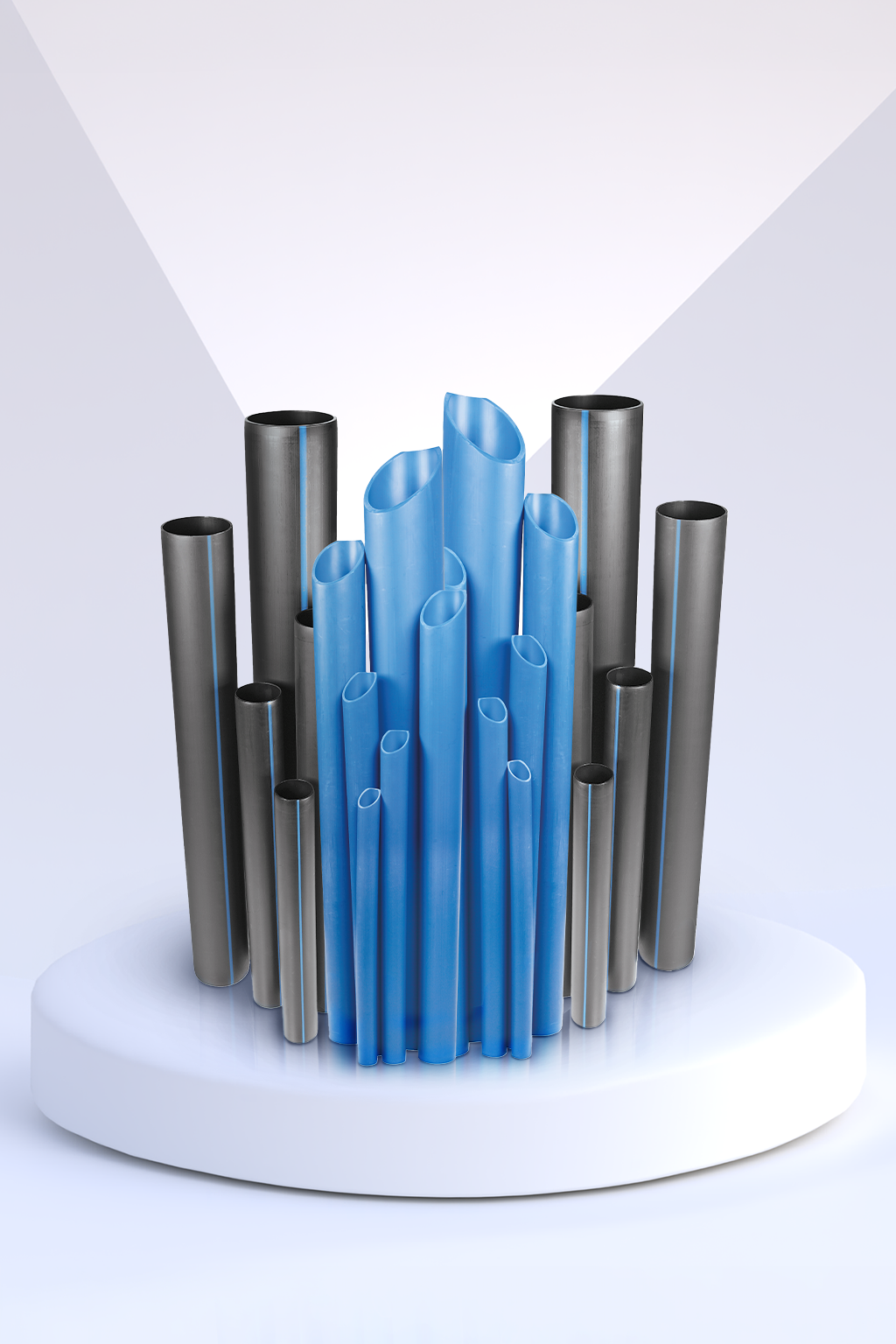
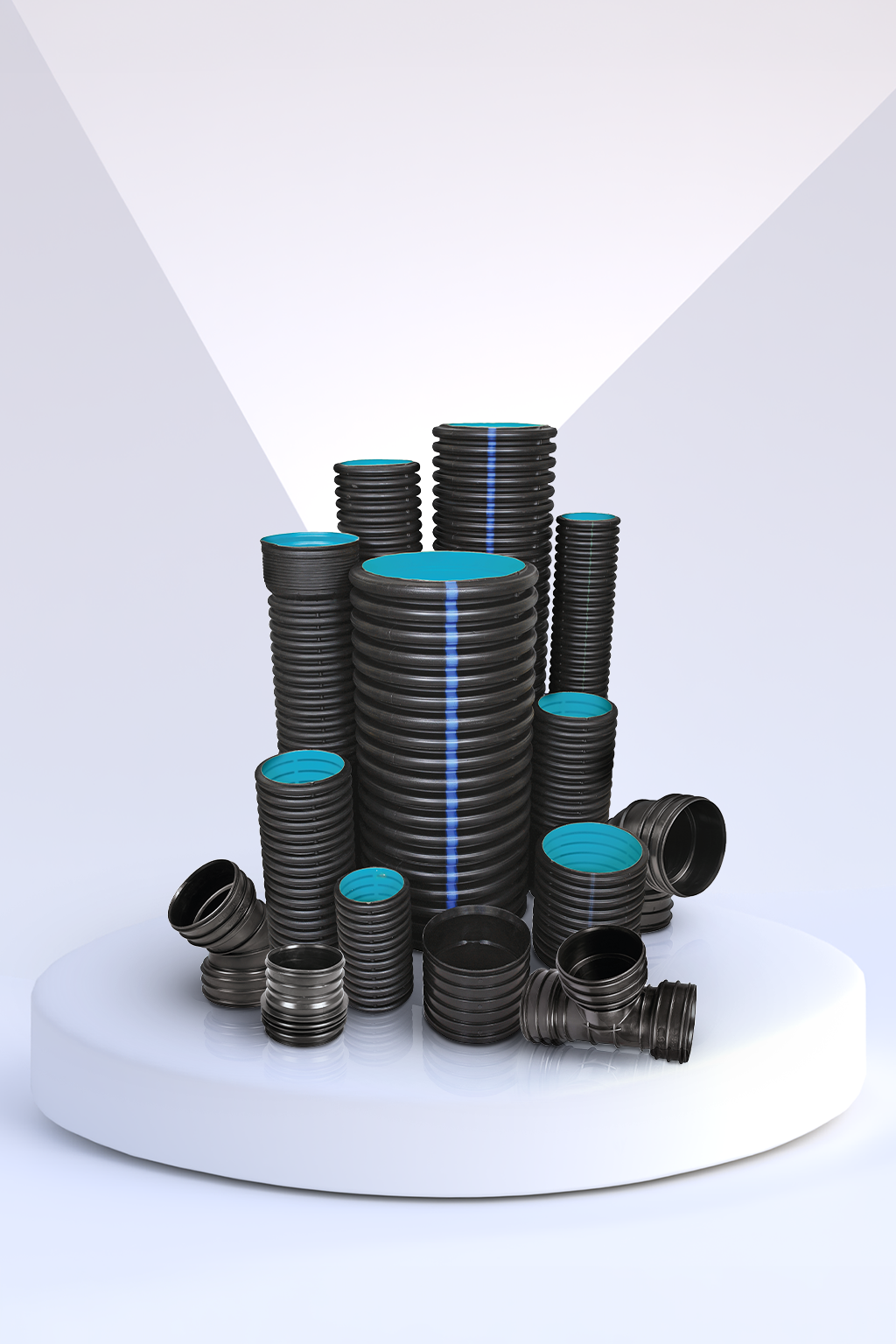
U-PVC Deep Well pipes

100 Meters Depth Drilling Pipes
U-PVC Deep Well pipes
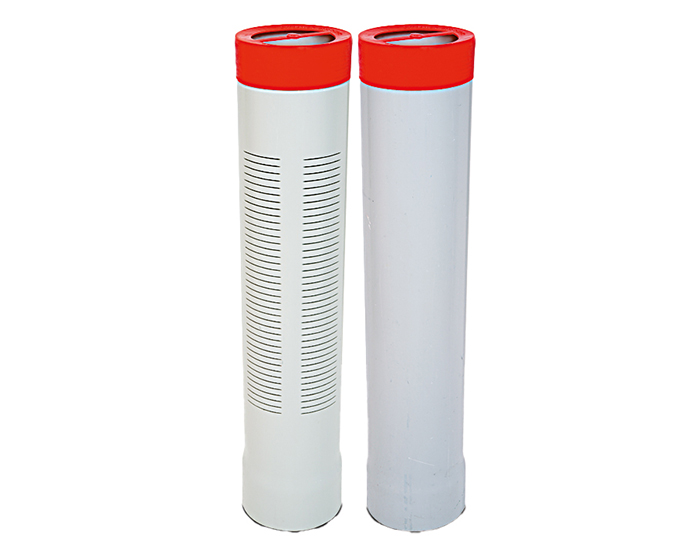
300 Meters Depth Drilling Pipes
U-PVC Deep Well pipes
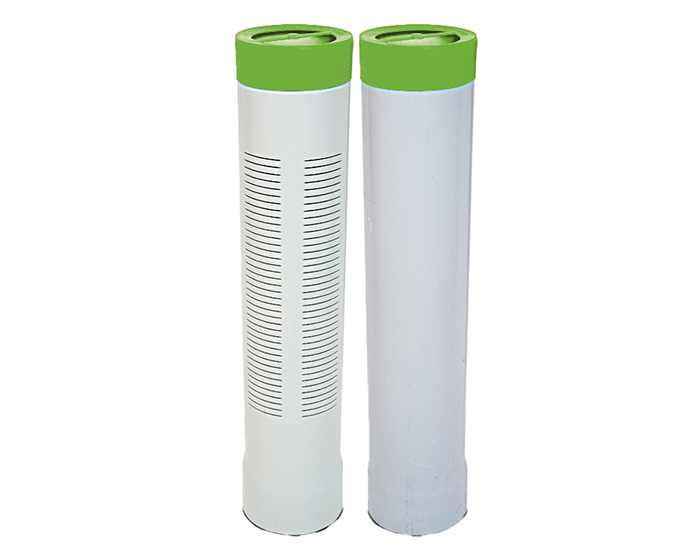
500 Meters Depth Drilling Pipes
U-PVC Deep Well pipes
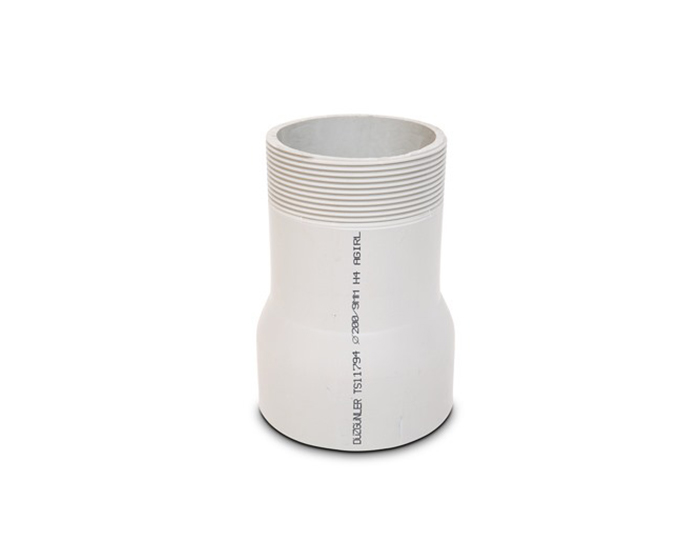
Reduction | Drilling Pipe Fittings
U-PVC Deep Well pipes
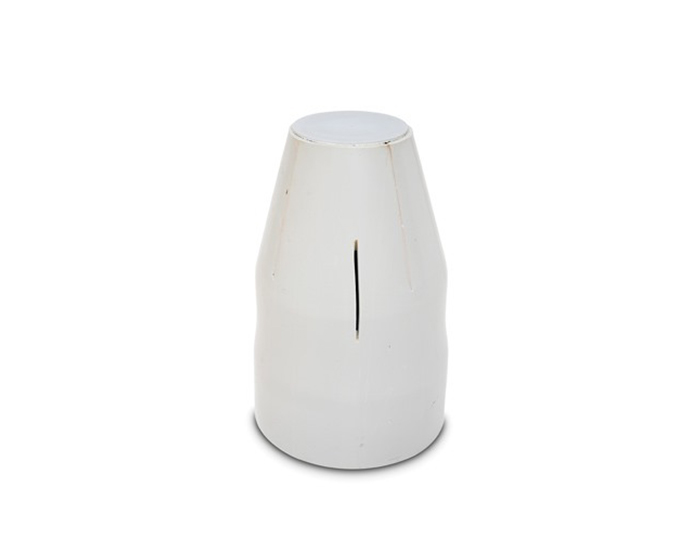
Spur | PVC Taper | Drill Pipe Fittings
U-PVC Deep Well pipes
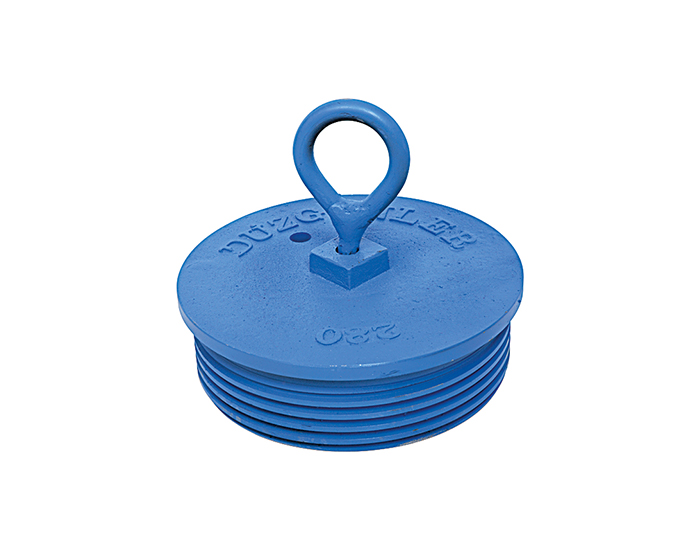
Maneuver Head | Drill Pipe Fittings
U-PVC Deep Well pipes

Drilling Trap | Drill Pipe Fittings
U-PVC Deep Well pipes
About Category
What Are U-PVC Deep Well Pipes and Which Deep Well Pipes Fit Your Well?
U-PVC deep well pipes are plastic casing pipes that line a drilled water well and protect its wall from collapse. Düzgünler Plastik makes them in 100, 300 and 500-meter depth series, in plain and slotted types, in line with the TS 11794 standard.
The basic rule is simple: the deeper the well, the thicker the pipe wall you need. This guide covers the series, sizes, pipe types and fittings in turn.
What Is a Deep Well Pipe and What Does It Do?
A deep well pipe is lowered into the drilled hole and lines the well wall permanently. It is also called PVC well casing or borehole casing pipe. It has three main jobs:
-
It holds the well wall: It stops soil and loose layers from falling into the well.
-
It lets water in: Water enters through the slotted sections while sand and gravel stay out.
-
It makes room for the pump: The submersible pump and column pipe work inside it.
Which Series and Sizes Do U-PVC Deep Well Pipes Come In?
Short answer: there are three series, all 407 cm long. The 100 and 300-meter series have 13 sizes from Ø88 to Ø400, and the 500-meter series has 5 sizes from Ø140 to Ø225. The theoretical wall thicknesses below come from the official product tables.
|
Diameter |
100 m Series (mm) |
300 m Series (mm) |
500 m Series (mm) |
|---|---|---|---|
|
Ø88 (3") |
4.00 |
5.00 |
— |
|
Ø113 (4") |
4.75 |
5.70 |
— |
|
Ø125 (4½") |
5.00 |
6.20 |
— |
|
Ø140 (5") |
5.90 |
7.00 |
10.40 |
|
Ø160 (5½") |
6.80 |
8.30 |
11.90 |
|
Ø175 (6") |
7.00 |
8.80 |
13.00 |
|
Ø185 (7") |
7.20 |
9.20 |
— |
|
Ø200 (7½") |
8.00 |
10.30 |
13.50 |
|
Ø225 (8") |
8.90 |
11.40 |
16.00 |
|
Ø250 (9") |
10.00 |
12.60 |
— |
|
Ø280 (10") |
11.30 |
14.40 |
— |
|
Ø330 (12") |
13.40 |
17.70 |
— |
|
Ø400 (16") |
16.80 |
21.10 |
— |
How Do the Series Differ?
U-PVC deep well pipes share the same diameters but not the same walls: thickness grows with the series. At Ø140, the 100-meter series is 5.90 mm, the 300-meter series is 7.00 mm and the 500-meter series is 10.40 mm. A thicker wall gives the pipe more strength against the outside pressure that rises with depth.
What Is the Difference Between Plain and Slotted Pipe?
U-PVC deep well pipes come in two types. They are not alternatives; they are used together in the same well.
-
Plain pipe: Lines the well wall and lets no water through.
-
Slotted pipe (water well screen): Lets water in through its slots and keeps sand and gravel out.
-
Placement: Slotted pipe sits at the water-bearing layer; plain pipe covers the rest of the well.
How Do You Choose the Right Deep Well Pipe?
Work through the well data step by step:
-
1. Set the depth: Pick the 100, 300 or 500-meter series to match your well depth.
-
2. Set the diameter: Choose it to fit the pump and column pipe that will go down the well.
-
3. Plan the screen position: The depth of the water-bearing layers decides where slotted pipes go.
-
4. Check the document: Confirm the pipe is made to the TS 11794 standard.
-
5. Complete the fittings: Get the reducer, spur and maneuver head in the same diameter.
Ground and water conditions change from well to well, so make the final choice with your drilling contractor and the well data.
PVC Well Casing or Steel Pipe?
Pros of U-PVC
-
It does not rust and resists corrosion and chemical wear.
-
It is lighter than steel, so it is easier to transport and lower into the well.
-
uPVC casing and screen pipes work together in one system.
Cons of U-PVC
-
It has a depth limit; pick the series by well depth.
-
The 500-meter series comes only in Ø140 to Ø225.
-
It is more sensitive to impact than steel, so it needs care in handling.
Which Fittings Are Used with Deep Well Pipes?
-
Reducer: Connects PVC deep well pipes of different diameters.
-
Spur (drive shoe): Protects the lower end of the pipe string and supports it at first contact with the ground.
-
Maneuver head: Allows controlled handling, rotation and positioning of pipes as they go into the well.
-
Drilling trap: Prevents pipes from falling into the well during operations.
-
Centralizer: Keeps the pipe centered in the borehole.
-
Belt-type pipe wrench: Used to tighten the threaded joints.
Where Are U-PVC Deep Well Pipes Used?
U-PVC deep well pipes can be used in any well that reaches groundwater. The most common uses are:
-
Irrigation wells: Wells drilled to water fields and orchards.
-
Drinking and domestic water wells: Wells that supply towns and villages.
-
Industrial wells: Wells that supply process and service water to plants.
What Should You Watch for When Lowering the Pipe?
-
Keep threads clean: No sand or mud should stay in the threaded joints.
-
Protect from impact: Do not drop pipes during transport or stacking.
-
Center the pipe: A centralizer helps the pipe sit straight in the borehole.
-
Use a trap: A drilling trap stops the pipe string from falling while you add a new pipe.
These steps keep an installation with U-PVC deep well pipes safe and trouble-free.
Why Düzgünler Plastik?
Düzgünler Plastik was founded in 1975 by Ekrem Düzgün, has made plastic pipes since 1996, and is run today by Ziya and Kemal Düzgün. It was the first company in Türkiye to produce plastic column pipes for submersible pumps.
Its U-PVC deep well pipes are made at the plant in Konya's 3rd Organized Industrial Zone under the ISO 9001:2015 quality management system. The production machinery is designed by the company's own R&D department.
Frequently Asked Questions - FAQ
What depths are U-PVC deep well pipes made for?
They come in three depth series: 100, 300 and 500 meters.
How long is one deep well pipe?
Each pipe is 407 cm long, about 4 meters, in all three series.
What are the smallest and largest sizes?
In the 100 and 300-meter series, the smallest is Ø88 (3") and the largest is Ø400 (16").
Which sizes are available for 500 meters?
The 500-meter series comes in Ø140, Ø160, Ø175, Ø200 and Ø225.
Which standard do these pipes follow?
They follow TS 11794 and are made under the ISO 9001:2015 quality management system.
People Also Ask - PAA
Is a deep well pipe the same as a column pipe?
No. A deep well pipe protects the well wall; a column pipe carries the submersible pump and the water.
What does a slotted pipe do?
It lets water into the well while keeping sand and gravel out.
Does PVC well casing rust?
No. U-PVC is a plastic material, so it does not rust.
|
Author: Düzgünler Plastik Technical Team — U-PVC deep well and column pipe production and quality control specialists. About the company Sources: U-PVC Deep Well Pipes product tables · Wikipedia: Water well · ISO 9001 For more information about our products and production processes, please contact us. |
For more information please contact us.